
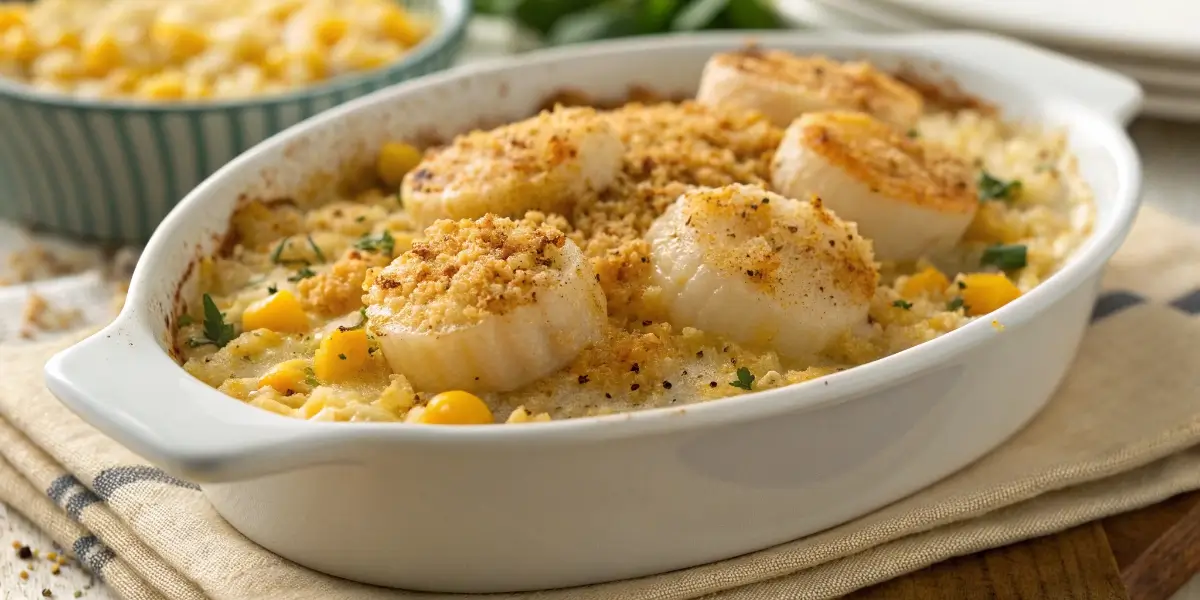
Scallop Corn – The Ultimate Guide to This Classic Creamy Side Dish
Creamy, golden, and loaded with comfort, scallop corn is one of those homestyle dishes that makes every dinner table feel complete. Whether it’s served next to roasted chicken, turkey, or fresh vegetables, this Southern-inspired corn bake is both nostalgic and simple to prepare. In this article, you’ll learn everything about scalloped corn—what it is, how it got its name, and the best way to make it light, creamy, and crowd-pleasing. You’ll also discover tips for making it healthier, delicious pairings, and expert secrets to ensure it turns out perfectly every time.
Learn more about other creamy sides like Panera Corn Chowder Recipe to pair with your scallop corn.
Table of Contents
What Is Scallop Corn?
The Origin of Scalloped Corn
Scallop corn, also called scalloped corn, is a classic baked side dish made with sweet corn kernels, milk, eggs, and breadcrumbs or crushed crackers. The ingredients are combined to create a creamy, custard-like base with a slightly crunchy top layer. It’s a dish deeply rooted in traditional Midwestern and Southern cooking, often found on holiday tables during Thanksgiving, Christmas, or Sunday dinners.
Historically, the term “scalloped” comes from the Old English cooking style of layering ingredients—like potatoes or vegetables—with cream or sauce and baking them until golden. This same method inspired the scallop corn recipe, turning humble corn into a comforting, flavorful casserole.
If you enjoy cozy, classic sides, check out our Recipe for Sweet Potato Soufflé—it pairs beautifully with scalloped corn on festive occasions.
Understanding the Texture and Flavor Profile of Scallop Corn
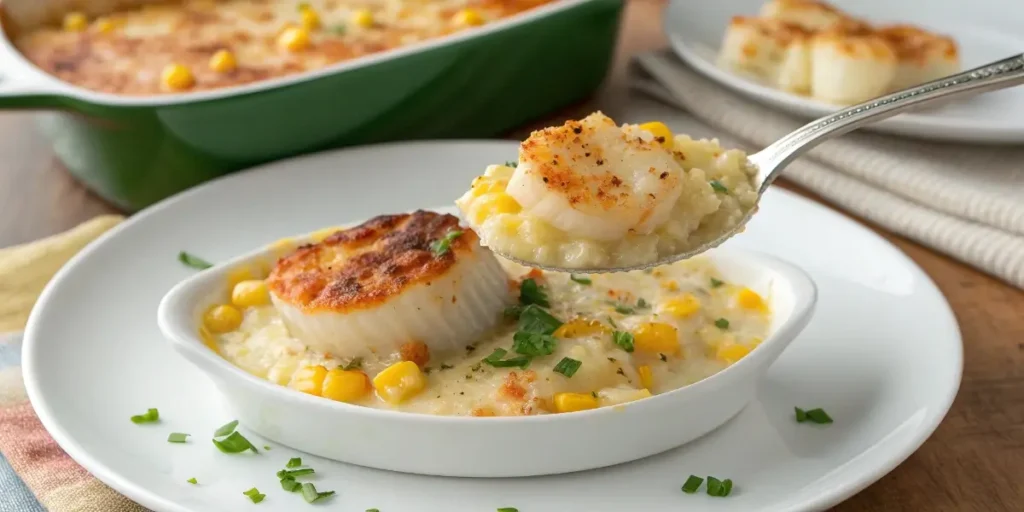
The magic of scallop corn lies in its texture. Each bite offers a mix of creamy custard and tender corn, with a lightly crisp crust on top. Unlike cornbread, it’s not dense or crumbly—scalloped corn is smooth and spoonable. The flavor is mildly sweet, buttery, and rich, making it an excellent complement to savory dishes like chicken, turkey, or vegetable casseroles.
To elevate the flavor, many home cooks add a touch of onion or fresh herbs, while those seeking dairy-free options can use coconut milk or oat milk instead of cream. The result remains irresistibly comforting yet lighter.
Discover great ideas like Mexican Street Corn Dip with Canned Corn for a modern twist on classic corn dishes.
Why Is It Called Scalloped Corn?
The Meaning Behind “Scalloped” in Recipes
The term “scalloped” has been used in cooking for centuries, originally describing dishes made by layering ingredients with a creamy sauce and baking them until bubbly and browned. Think of scalloped potatoes—the same concept applies to scalloped corn. The idea is to bake corn in a custard-like mixture, creating a creamy texture with a lightly crisp, golden crust.
In scallop corn, breadcrumbs or crushed crackers are added on top before baking. This topping gives the dish its signature scalloped edge and satisfying crunch. It’s an example of how a simple preparation technique transformed basic corn into a warm, hearty favorite that’s both elegant and easy.
If you love this method of cooking, check out Parmesan Smashed Potatoes for another comforting side dish that pairs beautifully with scalloped corn.
Traditional Cooking Methods That Inspired Scalloped Corn
In early American kitchens, scalloping was a clever way to stretch ingredients and make hearty, crowd-friendly dishes. Fresh or canned corn was combined with milk, eggs, and a little butter, then baked slowly to allow the flavors to meld. This slow baking process gave scallop corn its signature creamy interior and golden crust.
Even today, home cooks stick with the traditional method—baking instead of frying or boiling—because it locks in the corn’s natural sweetness while producing that signature texture everyone loves. Whether you’re using fresh summer corn or a can of kernels, this old-fashioned technique still delivers modern comfort.
Don’t miss our Delicious Mexican Cornbread Casserole if you’re looking for another baked corn recipe that adds a flavorful twist to your dinner spread.
How to Make the Best Scallop Corn Recipe
Step-by-Step Guide to Classic Scallop Corn
Making scallop corn at home is surprisingly easy, and the result is pure comfort in every bite. Below is a simple, no-fuss recipe that works for both weeknight dinners and special occasions.
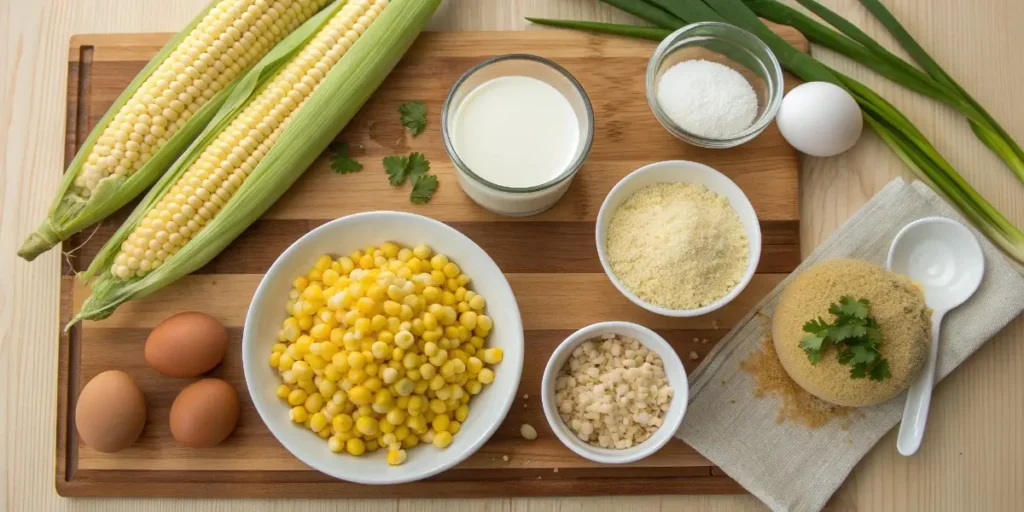
Ingredients:
- 2 cups sweet corn (fresh, frozen, or canned – drained)
- 2 large eggs, lightly beaten
- 1 cup milk (or dairy-free milk like oat or almond)
- 2 tbsp melted butter (or olive oil)
- 1 cup crushed crackers or breadcrumbs
- 1 tbsp sugar (optional, for a touch of sweetness)
- ½ tsp salt and ¼ tsp black pepper
Instructions:
- Preheat your oven to 350°F (175°C) and grease a medium baking dish.
- Mix corn, milk, eggs, butter, sugar, salt, and pepper in a large bowl.
- Pour half the cracker crumbs into the mixture and stir until blended.
- Transfer the mixture to your prepared baking dish.
- Sprinkle the remaining crumbs evenly on top for that crisp scalloped crust.
- Bake uncovered for 45–50 minutes, until golden brown and set in the center.
For a richer flavor, try adding a sprinkle of cheese or swapping in coconut milk for a dairy-free twist. The result will be creamy, flavorful, and perfectly baked every time.
Don’t miss our Canned Green Bean Recipes for additional easy vegetable sides that complement scallop corn beautifully.
Expert Tips for Perfect Texture and Golden-Brown Finish
To achieve the ideal scallop corn texture—creamy on the inside and crisp on top—you’ll want to keep a few key tricks in mind:
- Use whole kernel corn for the best bite and texture balance.
- Don’t overbake. The dish should jiggle slightly in the center when removed from the oven.
- For extra crispness, broil the top for 2–3 minutes after baking.
- Let it rest for 10 minutes before serving to allow the custard to set fully.
A simple substitution trick? Replace butter with olive oil or avocado oil to make your scallop corn lighter and heart-healthier without losing flavor.
Check out our Healthy Shredded Chicken recipe—it’s an excellent protein to serve alongside scalloped corn for a complete meal.
Best Ingredients for Creamy Scallop Corn
Choosing the Right Corn (Fresh, Frozen, or Canned)
The secret to a delicious scallop corn lies in your choice of corn. Each type has its strengths:
- Fresh corn: Sweet and juicy, perfect in summer months. Cut the kernels straight from the cob for the brightest flavor.
- Frozen corn: Convenient and consistent in texture; thaw it first to prevent excess moisture.
- Canned corn: Great for busy cooks. Drain it well to keep your casserole from becoming watery.
For a flavor twist, mix two kinds—like fresh and frozen—for extra depth. You can also add herbs like thyme or parsley for a subtle aromatic touch.
Learn more about combining vegetables in comforting bakes with our Roasted Butternut Squash Recipe.
Healthy Substitutes for Cream, Butter, and Eggs
You don’t need heavy cream and butter to make scalloped corn rich and creamy. Smart swaps can lighten it up while keeping that cozy texture.
| Traditional Ingredient | Healthy Substitute | Benefit |
|---|---|---|
| Heavy Cream | Oat or almond milk | Lowers fat content |
| Butter | Olive oil | Adds healthy fats |
| Eggs | Flaxseed and water | Vegan-friendly binder |
| Whole Milk | Light Greek yogurt | Adds protein and creaminess |
These substitutions make your scallop corn lighter, healthier, and still incredibly satisfying. It’s perfect for anyone seeking comfort food with a nutritious twist.
For more better-for-you comfort dishes, explore our Gluten-Free Side Dishes.
What Goes Well with Scalloped Corn
Perfect Main Dishes to Pair with Scallop Corn
Scallop corn is creamy, savory, and subtly sweet — making it the perfect partner for many main dishes. Because it’s mild, it balances out stronger flavors beautifully. It pairs well with baked chicken, grilled salmon, or roasted vegetables. For a cozy Sunday meal, try serving it alongside lean turkey or a hearty vegetarian casserole.
The creamy texture of scalloped corn also complements barbecue-style dishes, especially those with smoky or tangy sauces. For a balanced meal, include a protein source and a crisp salad to add freshness and color to your plate.
Discover great pairings with our flavorful Healthy Shredded Chicken — it’s tender, light, and pairs perfectly with creamy sides like scallop corn.
Vegetarian and Family-Friendly Side Pairings
For those looking to keep it meat-free, scallop corn fits naturally into a vegetarian menu. Serve it with roasted Brussels sprouts, green bean almondine, or a bright cucumber salad to bring balance to the meal. A scoop of scalloped corn also pairs beautifully with soups or stews, adding comfort and body without overpowering the dish.
If you’re building a full dinner spread, mix and match textures: pair soft casseroles with crisp salads or crunchy roasted vegetables. This makes the meal more enjoyable and balanced.
For a bright, veggie-packed complement, try our Creamy Succotash Recipe — it’s full of flavor and color, just like your favorite scallop corn.
Health Benefits and Nutrition Facts of Scallop Corn
Is Scalloped Corn Healthy or Indulgent?
Scallop corn sits in that delightful middle ground between comfort food and wholesome eating. While traditional recipes use butter, cream, and eggs, you can easily make it lighter by adjusting ingredients. Using olive oil instead of butter and low-fat milk instead of cream reduces saturated fat without sacrificing flavor.
Corn itself is naturally high in fiber, vitamin C, and antioxidants such as lutein and zeaxanthin, which support eye health. It’s also gluten-free, making scalloped corn a great option for those with sensitivities.
Just watch portion sizes — this dish can be calorie-dense when loaded with cheese or heavy cream. For a balanced plate, serve it with lean protein and a fresh salad to add variety and nutrients.
If you enjoy learning how to make comfort dishes lighter, check out our Healthy Shredded Chicken recipe that’s both satisfying and nutritious.
Ways to Make Scallop Corn Lighter and More Nutritious
Small tweaks can make your scallop corn healthier without changing its familiar taste. Try baking instead of frying, using fresh corn over canned, and cutting back on sugar. Replacing breadcrumbs with crushed oats or almond flour can also boost fiber and lower carbs.
Adding vegetables like diced bell peppers, spinach, or zucchini to your scallop corn gives extra vitamins and texture. These add-ins make the dish more colorful and nutrient-packed, perfect for family dinners or potlucks.
To explore more balanced meal ideas like this, visit our Gluten-Free Side Dishes for wholesome and allergy-friendly inspirations.
Corn Cooking Methods – Boiled vs. Baked
The Science of Boiling Corn vs. Baking Corn
When it comes to cooking corn, the method you choose changes both flavor and texture. Boiling corn keeps the kernels plump and juicy, locking in sweetness. It’s quick, simple, and perfect for fresh summer corn. The downside? Some nutrients, like vitamin C, may leach into the water.
On the other hand, baking corn enhances its natural sugars, giving it a slightly caramelized taste. That’s why scalloped corn — a baked dish — tastes rich and comforting. Baking also helps blend the creamy base and toppings, creating that signature custard-like interior and crispy top.
For another dish that uses baking to build flavor, explore our Roasted Butternut Squash Recipe — it’s a perfect side to serve with scallop corn.
When to Use Each Method for the Best Flavor
If you want light and refreshing corn, boiling is your best bet — especially for salads, chowders, or quick side dishes. But when you’re craving depth, creaminess, and that golden crust, baking wins every time.
For scalloped corn, baking transforms everyday ingredients into a hearty comfort dish that feels homemade and wholesome. It allows the milk, eggs, and corn to meld together while the topping crisps up beautifully.
Whether boiled or baked, corn remains naturally gluten-free and full of antioxidants. It’s all about choosing the right style for your meal.
For more baked comfort classics, try our Delicious Mexican Cornbread Casserole — another golden, oven-baked dish that pairs wonderfully with scallop corn.
Delicious Variations of Scallop Corn
Cheesy Scalloped Corn and Dairy-Free Versions
Classic scallop corn is already creamy, but adding cheese takes it to another level. Sharp cheddar or mozzarella melts beautifully into the custard, adding richness and a hint of saltiness. If you prefer a lighter touch, sprinkle parmesan on top before baking — it creates a golden, crispy crust that looks as good as it tastes.
For a dairy-free version, swap cheese and milk for oat or coconut milk and use vegan butter. The texture stays creamy while keeping it suitable for those avoiding dairy. You can also replace eggs with a flaxseed mixture for an egg-free alternative that still holds together nicely.
For more cheesy inspiration that’s easy and crowd-pleasing, check out our Crockpot Creamy Chicken Noodle Soup — its silky base and comforting flavor complement scallop corn perfectly.
Seasonal and Holiday Scallop Corn Twists
Scallop corn shines all year, but it’s especially beloved around the holidays. In fall and winter, add a dash of nutmeg or smoked paprika for a cozy touch. During summer, fold in fresh herbs or diced peppers for a lighter, garden-fresh twist.
You can also mix in sautéed onions or spinach for added depth and color. For festive gatherings, individual ramekins make an elegant presentation — easy to serve and portion-controlled.
If you’re planning a holiday menu, don’t miss our Recipe for Sweet Potato Soufflé — it pairs wonderfully with scalloped corn for a comforting, balanced table.
Common Mistakes and How to Fix Them
Why Your Scallop Corn Turns Watery or Dry
Even seasoned cooks can struggle with the texture of scallop corn. One of the most common problems is ending up with a watery or overly dry dish. This usually happens because of excess liquid or overbaking.
If it’s watery:
- Drain canned corn thoroughly or pat frozen corn dry after thawing.
- Don’t overmix the batter — too much stirring can release extra moisture.
If it’s dry:
- Add a splash more milk before baking to keep it moist.
- Cover loosely with foil halfway through baking to retain steam.
The key is balance: you want a creamy center with just enough structure to hold its shape. It should spoon out easily, not crumble apart.
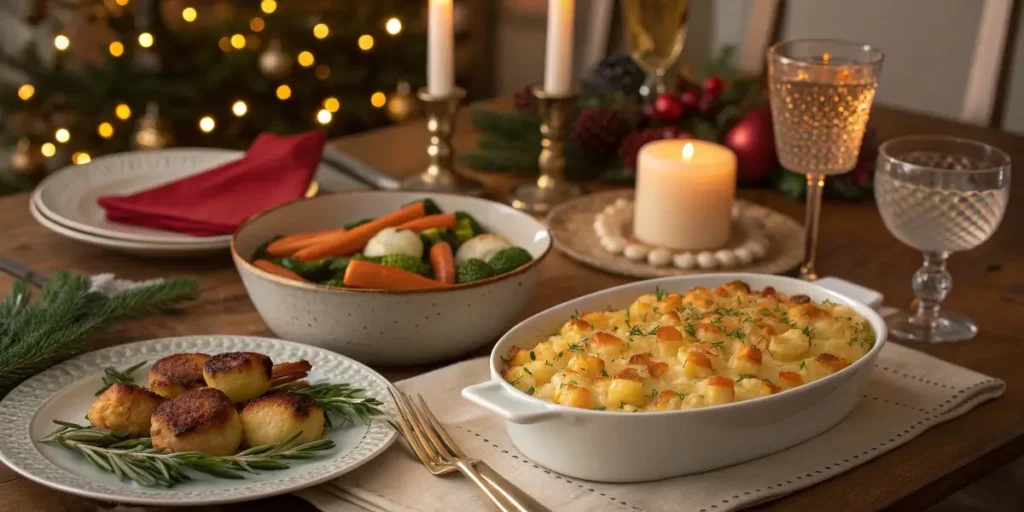
For another comfort dish where texture matters, check out our Parmesan Smashed Potatoes — they’re the perfect crispy companion to scalloped corn.
Secrets for Getting the Perfect Creamy Balance Every Time
The secret to perfect scalloped corn lies in temperature control and timing. Always bake at a moderate heat (around 350°F) and check doneness 5–10 minutes before the suggested bake time. The center should have a gentle wobble — that’s when it’s perfect.
Letting the casserole rest for at least 10 minutes before serving also helps it firm up. This short cooling time allows the custard base to finish setting without drying out.
Finally, use good-quality corn and fresh dairy or plant-based substitutes. The natural sweetness of corn pairs beautifully with mild spices like paprika or garlic powder, giving the dish depth without overpowering its classic flavor.
For more cozy dinner ideas, explore our Healthy Shredded Chicken — it makes a wholesome main course beside creamy scallop corn.
Conclusion: Why Scallop Corn Deserves a Spot on Your Table
Scallop corn is more than just a side dish — it’s a warm, creamy classic that ties any meal together. Whether you serve it during the holidays or for a weeknight dinner, it delivers a comforting, homemade taste that everyone loves. With just a few simple tweaks, you can make it lighter, dairy-free, or vegetarian without losing its soul.
Its versatility, ease, and nostalgic flavor make scalloped corn a true staple in American comfort cooking. Try it once, and it’ll likely become a family favorite you’ll return to year after year.
Looking for more inspiration? Try our Healthy Shredded Chicken — a perfect protein partner for creamy scallop corn.
FAQs
What is scallop corn?
Scallop corn is a classic baked corn casserole made with corn kernels, milk, eggs, and breadcrumbs. It’s creamy on the inside and crisp on top, offering a comforting mix of textures. The dish is popular across the Midwest and South, often served during family dinners and holidays.
Why is it called scalloped corn?
The name comes from the traditional cooking method known as scalloping, where ingredients are layered with milk or cream and baked until golden brown. Like scalloped potatoes, scalloped corn gets its name from its creamy base and crispy, “scalloped” crust.
What goes with scalloped corn?
This dish pairs beautifully with roast chicken, baked fish, or grilled vegetables. For vegetarian meals, serve it alongside a hearty soup or salad for balance. Its mild sweetness complements smoky or spicy mains perfectly.
Is scalloped corn healthy?
Scalloped corn can be healthy with a few ingredient swaps. Using oat or almond milk instead of cream, olive oil instead of butter, and adding vegetables like spinach or peppers lightens it up. Corn is naturally rich in fiber, vitamin C, and antioxidants, making it a nutrient-packed comfort food.
What’s the healthiest corn to eat?
The healthiest corn is fresh, non-GMO sweet corn — ideally organic. It’s lower in sodium and higher in natural antioxidants. Fresh corn retains the most nutrients, while frozen corn is a close second. Avoid canned corn with added sugar or salt whenever possible.
Is corn better boiled or baked?
Boiling corn keeps it tender and juicy, perfect for light, fresh dishes. Baking corn — like in scalloped corn — intensifies the sweetness and adds a caramelized flavor. If you want something creamy and hearty, baking wins every time.