
Gingerbread House Cake: A Festive Dessert You’ll Love This Holiday Season
When the holidays roll around, few desserts capture the spirit of the season like a gingerbread house cake. It’s the perfect blend of nostalgia and flavor—a combination of soft, spiced cake and whimsical house-shaped decorations that make it the centerpiece of any Christmas table. In this article, we’ll explore everything from what goes into a perfect gingerbread house cake to how to bake, build, and decorate it beautifully. You’ll also find out where gingerbread originated, fun variations you can try, and answers to common baking questions.
Looking for inspiration? Try Easy Recipe for Heart-Shaped Cakes to explore more creative holiday baking ideas.
Table of Contents
Understanding Gingerbread House Cake
What Is a Gingerbread House Cake?
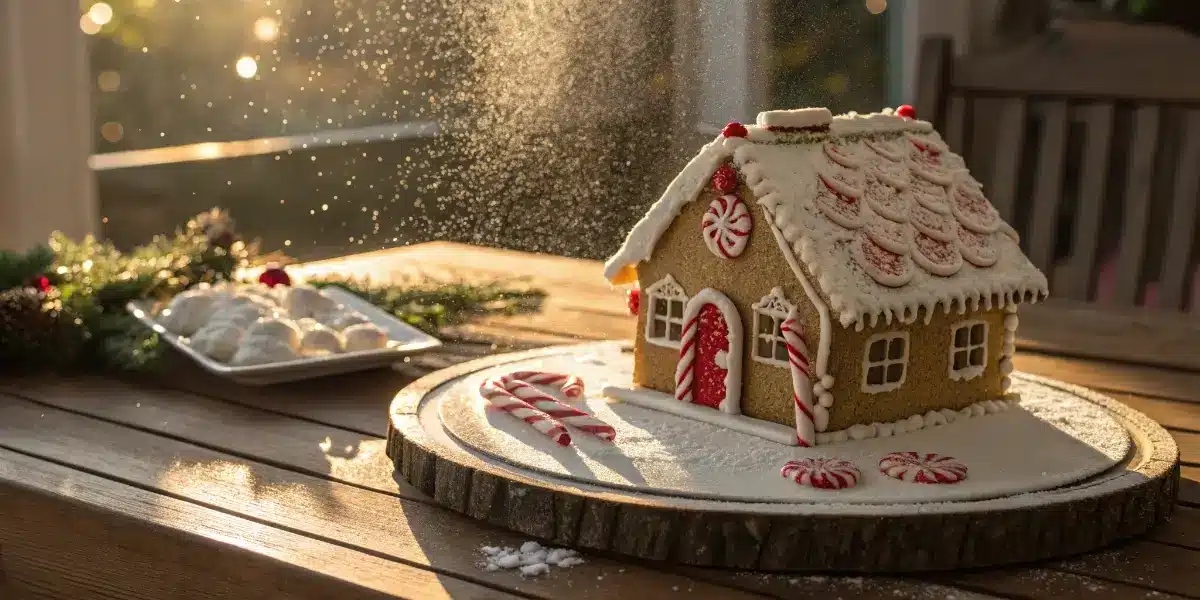
A gingerbread house cake is essentially a spiced, molasses-rich dessert that combines the flavors of classic gingerbread with the structural creativity of a holiday house. Unlike traditional flat gingerbread cookies used for building, this cake is soft, moist, and designed to hold layers or shapes that mimic a gingerbread home. Think of it as the best of both worlds—flavorful cake meets festive art. The gingerbread house cake is typically made with a blend of flour, ginger, cinnamon, cloves, and molasses, giving it that deep caramel color and rich, comforting aroma.
How Gingerbread Cake Differs from Traditional Gingerbread Houses
While both share the same aromatic spices and molasses flavor, their textures and purposes differ. A gingerbread house is often built using hard, crisp dough so it can hold up the walls and roof. Gingerbread house cake, on the other hand, is tender and moist—meant to be eaten rather than displayed. Bakers often mold or carve layers of cake into house-like shapes, decorating with royal icing, candies, or sugar glass for that iconic winter look. It’s less about architecture and more about taste and presentation.
Ingredients for the Perfect Gingerbread House Cake
Essential Components: Flour, Spices, and Sweeteners
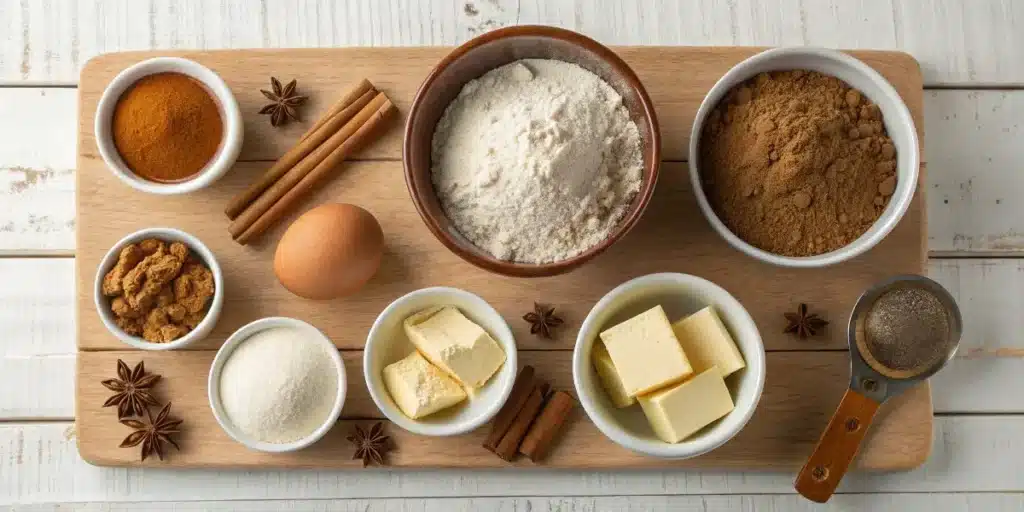
To create a perfect gingerbread house cake, you need a balance of structure, spice, and sweetness. The main ingredients include:
- All-purpose flour for the base structure.
- Molasses for its rich, smoky sweetness and dark color.
- Brown sugar to add moisture and depth.
- Ground ginger, cinnamon, cloves, and nutmeg for that unmistakable warm spice blend.
- Butter and eggs to bind the batter and create a tender crumb.
- Baking soda for lift and fluffiness.
- Milk or buttermilk for smooth consistency and flavor balance.
These ingredients work together to produce a cake that’s firm enough to decorate yet soft enough to enjoy with every bite. The spices are the stars here—ginger provides the signature warmth, while cinnamon and cloves layer in festive sweetness.
Check out Amish Cinnamon Bread Recipe for another spiced holiday treat that pairs perfectly with your gingerbread cake spread.
Natural Substitutes: Using Honey Instead of Molasses
If you don’t have molasses on hand or prefer a lighter flavor, honey makes an excellent substitute. Honey provides sweetness and moisture while lending a milder taste and lighter color to your gingerbread house cake. For best results, use ¾ cup of honey for every cup of molasses and reduce the sugar slightly to maintain balance.
You can also experiment with maple syrup or dark corn syrup as alternatives, though they may slightly alter the flavor profile. Honey is ideal if you’re aiming for a naturally sweetened dessert that’s still festive and delicious.
Discover great ideas like Honey Greek Yogurt for more creative ways to use honey in desserts.
Pro Tip Table: Ingredient Substitutions
| Ingredient | Substitute | Ratio | Effect on Flavor |
|---|---|---|---|
| Molasses | Honey | ¾ cup for 1 cup | Lighter, floral sweetness |
| Butter | Coconut oil | 1:1 | Slight coconut aroma, dairy-free |
| Milk | Almond milk | 1:1 | Subtle nutty flavor |
| All-purpose flour | Gluten-free blend | 1:1 | Slightly denser texture |
Don’t miss our Gluten-Free Carrot Cake if you want to try a similar spiced dessert with a gluten-free twist.
Step-by-Step Baking Guide
Preparing the Gingerbread Batter
Creating the perfect gingerbread house cake begins with crafting a smooth, rich batter. Start by preheating your oven to 350°F (175°C) and greasing your baking pan—or multiple pans if you’re layering the cake.
- Cream butter and sugar: In a large mixing bowl, beat softened butter with brown sugar until the mixture turns light and fluffy. This step ensures a soft crumb texture.
- Add wet ingredients: Whisk in the molasses (or honey, if substituting), eggs, and milk. These ingredients add moisture and create the deep caramel flavor that defines gingerbread.
- Mix dry ingredients separately: Combine flour, baking soda, ginger, cinnamon, cloves, and nutmeg in another bowl. Sift them for even distribution.
- Combine the mixtures: Gradually add dry ingredients to the wet mixture, stirring gently to avoid overmixing. The batter should be thick yet pourable.
- Pour and level: Pour the batter into the prepared pan, smoothing the top with a spatula for even baking.
Pro Tip: For extra flavor, fold in a tablespoon of finely grated fresh ginger. It adds a subtle spicy note that enhances the aroma and taste.
Learn more about Pumpkin Pie Recipe with Fresh Pumpkin to perfect your fall and winter baking skills.
Baking and Cooling for the Right Texture
The key to a perfect gingerbread house cake lies in the bake. You want it moist, not dense or dry.
- Bake time: Depending on pan size, bake for 30–40 minutes or until a toothpick inserted in the center comes out clean.
- Cooling process: Let the cake cool in the pan for 10 minutes before transferring it to a wire rack. Cooling completely ensures the cake doesn’t crumble when you start assembling or cutting.
- Leveling: If you’re stacking layers, use a serrated knife to level the tops once cooled. A flat surface helps with stability during decorating.
Once cooled, your cake is ready for frosting or transformation into a charming gingerbread “house.” You can cover it in cream cheese frosting, royal icing, or even a simple sugar glaze for a glossy finish.
Check out Delicious Toll House Cookies for more ideas on holiday baking perfection.
Baking Troubleshooting Table
| Issue | Cause | Solution |
|---|---|---|
| Cake is dry | Overbaking or too little liquid | Reduce baking time; add 2 tbsp milk |
| Dense texture | Overmixed batter | Mix until just combined |
| Cake sticks to pan | No proper greasing | Use parchment paper and butter |
| Sunken middle | Oven too hot or batter overmixed | Use an oven thermometer; mix gently |
Discover great ideas like Sourdough French Toast Bake to reuse any extra gingerbread cake slices in a delicious way.
Assembling and Decorating the Gingerbread House Cake
How to Build the Cake Layers Like a Gingerbread House
Once your gingerbread cake layers are baked and cooled, it’s time to transform them into a charming house-shaped centerpiece. Start by trimming the edges of each cake layer to ensure clean, straight lines. If you’re creating a multi-layered design, cut one cake into a triangular roof shape and keep the base layers rectangular for the house structure.
- Stack and fill: Place your first cake layer on a sturdy board or cake stand. Spread a generous layer of frosting—typically vanilla buttercream or cream cheese icing—then top it with the second layer.
- Shape the roof: For the top, cut your cake layer diagonally to create two sloped pieces resembling a roof. Arrange them carefully with a bit of frosting as the glue to hold everything together.
- Secure and chill: Refrigerate the assembled cake for 20–30 minutes to set the frosting and keep the layers stable before decorating.
For stability, use royal icing—it hardens beautifully and works as edible “cement” for your gingerbread house cake.
Learn more about Cinnamon Pull Apart Bread Guide to master dough shaping and creative layering for festive desserts.
Creative Decoration Ideas with Icing and Candy
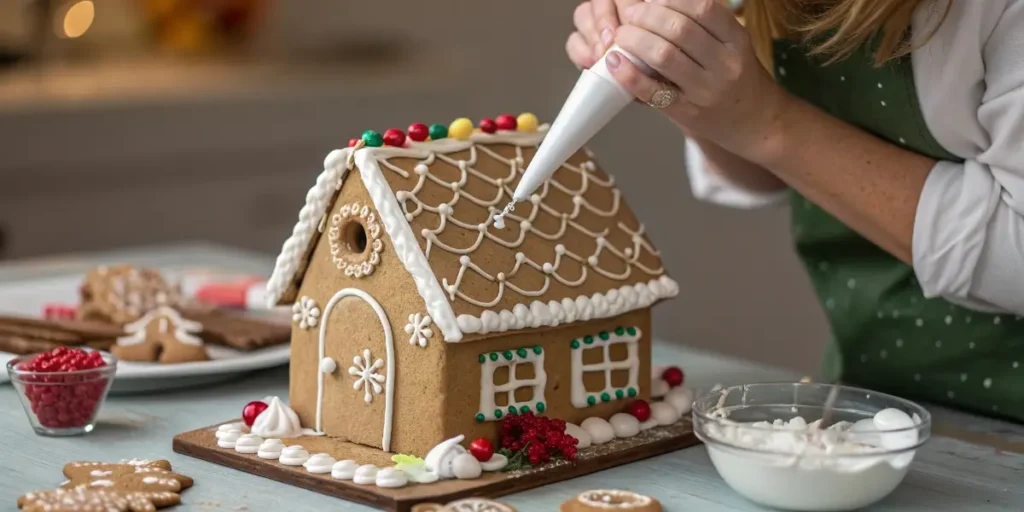
Decorating is where your gingerbread house cake comes alive. Use royal icing for crisp white outlines, snow effects, and to attach candies. Apply it with a piping bag or squeeze bottle for precision.
Here are some classic decorating ideas:
- Icing details: Outline windows, doors, and roof shingles with white icing. Add dots or snowdrift textures for a festive look.
- Candy decorations: Use mini gumdrops, peppermint swirls, chocolate buttons, and candy canes to adorn your house.
- Snow effect: Dust powdered sugar over the top or use shredded coconut for a wintry touch.
- Holiday accents: Add small sprigs of rosemary as “trees” or red and green M&Ms for color pops.
If you’re feeling extra creative, build a small gingerbread “pathway” using crushed graham crackers or vanilla wafers leading to your cake’s base.
Check out Pistachio No Bake Cheesecake for more festive decorating inspiration and creamy dessert textures.
Common Mistakes to Avoid
Overmixing or Undercooking the Batter
One of the most common gingerbread house cake mishaps comes from overmixing the batter. When you beat the mixture too long, gluten develops and makes the cake dense and chewy instead of soft and moist. The trick is to mix just until combined—when you no longer see streaks of flour. Overmixing can also trap too much air, causing the cake to rise unevenly and sink once out of the oven.
On the flip side, undercooking can ruin your masterpiece too. A gingerbread house cake must be baked until a toothpick comes out clean from the center. If it’s underdone, the middle may collapse, making layering impossible. Keep an eye on the edges—they should be slightly darker and pull away from the pan when perfectly baked.
Discover great ideas like Perfect Boston Cream Cake to learn more about achieving the right texture and bake every time.
Using Weak Icing for House Structure
The foundation of a gingerbread house cake depends on your icing. If it’s too runny, your decorations will slide off and the structure might fall apart. Royal icing is the gold standard—it dries hard and acts as edible cement. To get the consistency right, the icing should form stiff peaks that hold their shape.
Here’s a simple royal icing guide:
- 3 cups powdered sugar
- 2 large egg whites (or 4 tablespoons meringue powder + 6 tablespoons water)
- ½ teaspoon lemon juice or cream of tartar
Beat on high until stiff peaks form. Cover with a damp towel when not using—it dries quickly!
Avoid using buttercream for structure—it’s creamy but not strong enough for house assembly. Save it for filling or smooth frosting on the cake body.
Check out Lemon and Meringue Pie Recipe to see how stable meringue textures can enhance your decorating skills.
Fun Variations of Gingerbread House Cake
Mini Gingerbread Cupcakes and Loaves
If you love the flavor of a gingerbread house cake but want something easier to serve or gift, mini versions are your best bet. Gingerbread cupcakes and mini loaves deliver the same warm spice and sweetness in individual portions—perfect for parties, bake sales, or cozy holiday treats.
To make cupcakes, simply spoon your batter into lined muffin tins and bake at 350°F for 18–20 minutes. For mini loaves, reduce the oven temperature slightly to prevent overbrowning, baking for about 25–30 minutes. Once cooled, top with cream cheese frosting or drizzle with a simple sugar glaze.
For a festive touch, decorate each cupcake like a tiny gingerbread house—pipe royal icing “roofs,” add candy pieces, or dust with powdered sugar “snow.” They’re cute, easy to make, and great for kids to help with.
Check out 3 Ingredient Biscuit Recipe No Buttermilk to learn how simple ingredients can create delicious, fluffy treats in no time.
Gluten-Free and Dairy-Free Gingerbread Cake Options
Everyone deserves to enjoy the joy of gingerbread, even with dietary restrictions. For a gluten-free gingerbread house cake, substitute all-purpose flour with a 1:1 gluten-free flour blend. Add 1 teaspoon of xanthan gum if your blend doesn’t already include it to maintain structure.
To make it dairy-free, replace butter with coconut oil and milk with almond or oat milk. These swaps don’t just make the cake lighter—they also add subtle nutty notes that pair beautifully with the spices.
If you’re feeling creative, add orange zest, maple glaze, or even apple chunks for a modern twist on the classic. These variations retain the holiday spirit while keeping the recipe inclusive and flavorful.
Discover great ideas like Gluten-Free Brioche Bread for inspiration on perfecting soft, airy gluten-free baking.
The History and Origin of Gingerbread
Where Gingerbread Originally Comes From
The story of gingerbread stretches back centuries, long before it became a holiday favorite. Gingerbread originated in Europe, with the earliest versions traced to ancient Greece and China, where ginger was prized for its medicinal properties. However, the form we know today—a sweet, spiced baked good—first gained popularity in medieval England and Germany. Bakers used a mix of breadcrumbs, honey, and spices to make the first gingerbread cakes, often shaped into religious or royal figures.
By the 15th century, gingerbread had become a symbol of celebration. In England, it was often decorated with gold leaf and sold at fairs, earning nicknames like “fairing cake.” German bakers in cities like Nuremberg elevated gingerbread (known as Lebkuchen) to an art form, making it softer, spicier, and more intricate.
Check out Delightful Asian Desserts to explore how different cultures have their own unique sweet traditions like gingerbread.
How the Gingerbread House Tradition Began
The gingerbread house tradition started in Germany during the early 1800s, inspired by the famous Brothers Grimm fairy tale, Hansel and Gretel. In the story, two children stumble upon a house made entirely of sweets and gingerbread deep in the forest. The tale sparked a creative movement among German bakers, who began constructing elaborate gingerbread houses decorated with icing and candies.
As immigrants brought the custom to America, it evolved into a beloved Christmas tradition—especially for families and children. Today, gingerbread houses come in all shapes and sizes, from simple cookie cottages to full-blown architectural masterpieces. The gingerbread house cake is a natural evolution of this idea—merging the taste of soft, spiced cake with the visual charm of a candy-decorated home.
Discover great ideas like Middle Eastern Desserts to see how regional sweets can inspire creative twists on classic holiday recipes.
Conclusion and Serving Tips
Best Ways to Serve Gingerbread House Cake
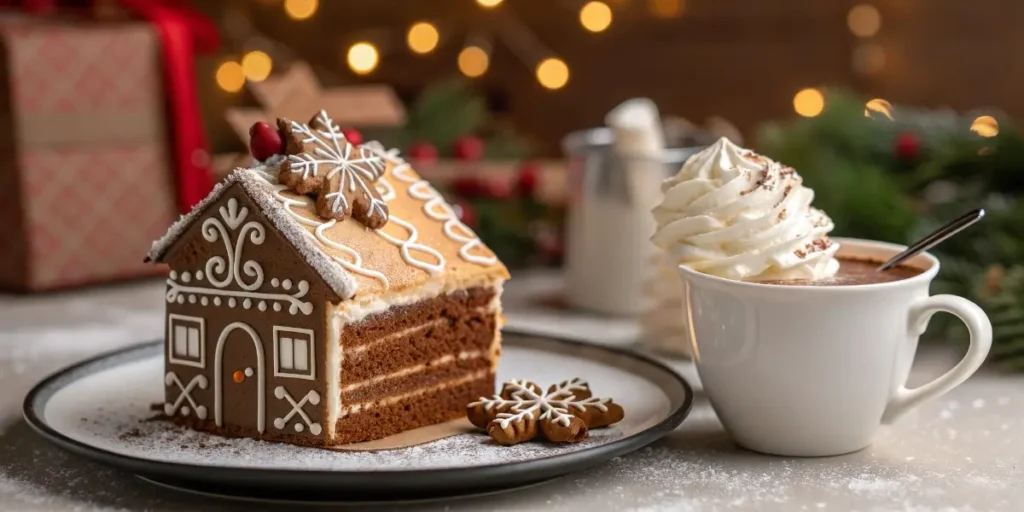
Serving your gingerbread house cake is all about presentation and warmth. Once decorated, place it on a festive platter or wooden board, surrounded by powdered sugar “snow” or sprigs of rosemary for a wintery feel. Slice it gently with a serrated knife to preserve the decorative details.
Pair each slice with a dollop of whipped cream, a scoop of vanilla ice cream, or a drizzle of warm caramel sauce for added indulgence. For a lighter option, serve it with a cup of spiced tea, chai, or hot chocolate to highlight its cozy, aromatic notes.
If you’re hosting, pre-cut portions into squares or triangles—like roof shingles—for easy serving during holiday gatherings. You can even package individual slices in festive parchment paper for a delightful edible gift.
Don’t miss our White Hot Chocolate Recipe for the perfect drink pairing that complements your gingerbread dessert beautifully.
FAQs
What Is Gingerbread Cake Made Of?
Gingerbread cake is made with a blend of flour, molasses, brown sugar, eggs, butter, and warm spices like ginger, cinnamon, and cloves. These ingredients work together to create a moist, spiced dessert with a comforting aroma and rich brown color. Unlike regular cakes, the flavor is deep and slightly smoky due to molasses, making it a holiday favorite.
What Are Gingerbread Houses Made Of?
Traditional gingerbread houses are constructed using sturdy gingerbread dough, which is firmer than cake to support walls and roofs. The dough is made from flour, molasses, butter, and spices, baked into panels and “glued” together using royal icing. Decorations often include candies, gumdrops, peppermint wheels, and icing snow, making it both edible and decorative.
What Is the Main Ingredient in a Gingerbread House?
The key ingredient in any gingerbread house is molasses. It gives the dough structure, color, and that signature bold flavor. Molasses also helps bind the dough, allowing it to bake firm enough to construct walls that won’t crumble. Without molasses, gingerbread would lose its rich, traditional taste and dark hue.
What’s the Difference Between Ginger Cake and Gingerbread?
The main difference lies in texture and sweetness. Ginger cake is soft, moist, and often frosted—designed to be eaten as a dessert. Gingerbread, however, is firmer and more robust, meant for shaping or cutting into cookies or houses. Both share the same spiced flavors, but ginger cake is for eating, while gingerbread is for building.
What Country Is Gingerbread From?
Gingerbread has roots in Europe, particularly Germany and England. The earliest gingerbread cakes were made by medieval monks and later became popular across fairs and festivals in England. However, Germany is credited with popularizing gingerbread houses, thanks to Hansel and Gretel, which turned the dessert into a Christmas tradition worldwide.
Can I Use Honey Instead of Molasses?
Yes! Honey can easily replace molasses in gingerbread house cake. Use ¾ cup honey for every cup of molasses. This swap gives your cake a lighter color and a softer, floral sweetness. It’s a great alternative if you prefer a milder flavor or want to avoid the bitterness molasses sometimes adds.