

Chimichurri Recipe: The Ultimate Guide to Making Authentic Argentinian Sauce
Chimichurri is the soul of Argentinian grilling — a vibrant herb sauce bursting with flavor, freshness, and versatility. In this article, we’ll explore everything you need to know about the chimichurri recipe — from its fascinating history to the best chef-approved techniques for perfecting it at home. You’ll also discover the differences between green and red chimichurri, how to store it properly, and how to use it to elevate your steaks using the 3-3-3 grilling rule.
Whether you’re a barbecue enthusiast or a home cook looking to impress, this detailed guide will help you master authentic chimichurri like a pro.
Looking for inspiration? Try our Peruvian chicken recipe — it’s the perfect dish to serve with this sauce.
Table of Contents
Understanding the Origins of Chimichurri Recipe
The History and Cultural Roots of Chimichurri Sauce
The chimichurri recipe has its roots deeply planted in Argentina and Uruguay, where it became a cornerstone of the country’s culinary identity. Traditionally, this sauce was served alongside grilled meats — a reflection of the Argentinian asado culture, where beef reigns supreme. Early gauchos (cowboys of the Pampas region) created chimichurri as a simple, rustic marinade to enhance their freshly grilled steaks.
Over time, the sauce evolved from a mere condiment to a cultural symbol — a must-have at family gatherings, weekend cookouts, and national celebrations. The word chimichurri itself has several origin theories. Some claim it’s derived from the Basque word tximitxurri, meaning “a mixture of several things,” perfectly describing this herby blend of olive oil, parsley, garlic, and vinegar. Others believe it originated from British or Irish settlers whose broken Spanish attempts to ask for condiments gave birth to the term.
What’s undeniable, though, is how this bright green sauce became Argentina’s culinary ambassador to the world — a balance of acidity, herbs, and spice that complements just about anything.
Discover more about Latin flavor traditions in our authentic Spanish rice guide.
Why Chimichurri Recipe Became a Global Culinary Staple
The global popularity of the chimichurri recipe comes down to its simplicity, bold flavor, and versatility. Unlike heavy sauces or creamy dressings, chimichurri delivers a punchy freshness that cuts through the richness of grilled meats, seafood, and even roasted vegetables.
Today, chefs worldwide — from Gordon Ramsay to Jamie Oliver — have embraced chimichurri as a modern kitchen essential. Its balance of tangy vinegar, earthy herbs, and spicy red pepper flakes makes it an ideal accompaniment to everything from steak and chicken to tofu and roasted potatoes.
Moreover, with global trends shifting toward clean eating and plant-based diets, chimichurri fits perfectly into the healthy-eating narrative. It’s naturally gluten-free, vegan, and packed with antioxidants and healthy fats.
Don’t miss our pico de gallo recipe if you love fresh, zesty sauces made from herbs and vegetables. You can also check out our vegan yum yum sauce recipe for another plant-based condiment packed with flavor.
Chimichurri Recipe Ingredients
What Are the Traditional Ingredients in Chimichurri?
At its core, the chimichurri recipe is a symphony of herbs, oil, and acid. The original version from Argentina doesn’t rely on fancy or hard-to-find ingredients — it’s built on freshness and balance. Here’s what you’ll need to craft the perfect traditional chimichurri sauce:
| Ingredient | Quantity | Purpose |
|---|---|---|
| Fresh parsley (finely chopped) | 1 cup | Base flavor and vibrant color |
| Fresh oregano (or dried) | 2 tablespoons | Earthy, slightly bitter notes |
| Garlic cloves (minced) | 4–6 cloves | Adds aromatic intensity |
| Olive oil (extra virgin) | ½ cup | Provides smooth texture |
| Crushed red pepper flakes | ½ teaspoon | Delivers a hint of heat |
| Salt and black pepper | To taste | Balances all flavors |
This simple yet powerful ingredient list creates a sauce that bursts with freshness. The chimichurri recipe relies on a balance — not dominance — of each component. The olive oil softens the vinegar’s acidity, while the garlic infuses richness that deepens over time.
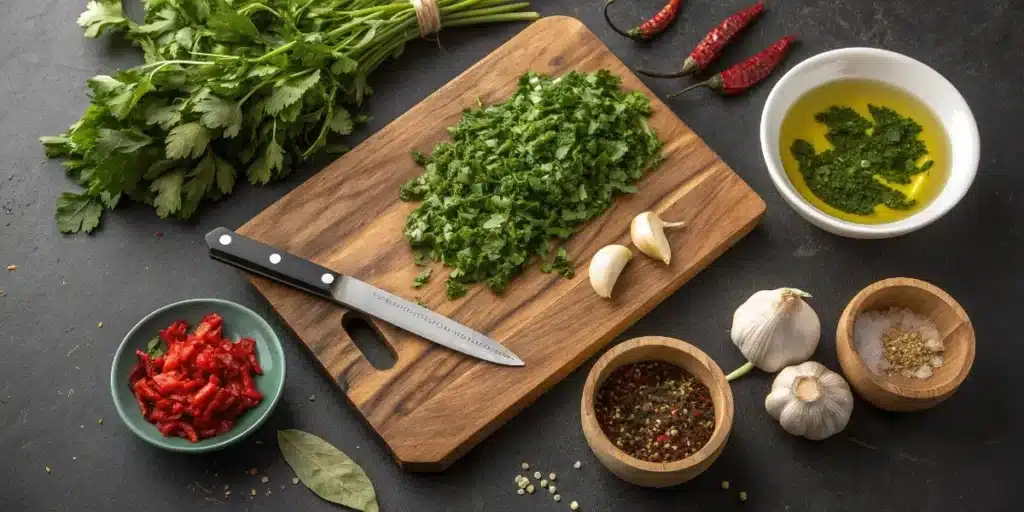
You can experiment with proportions based on personal preference, but remember: fresh herbs and good-quality olive oil are the heart of authentic chimichurri. Learn more about choosing top-notch ingredients by checking out our pink Tibetan salt guide, which explains how salt quality impacts flavor and health.
If you want a tangier version, substitute lemon juice for part of the vinegar. For a spicier kick, add minced jalapeño or a dash of smoked paprika — ideal for grilled meats or roasted vegetables.
Variations: Green vs. Red Chimichurri Sauce
While the traditional green chimichurri recipe is most common, Argentina and Uruguay both celebrate red chimichurri — known as chimichurri rojo. The key difference lies in the addition of red bell peppers or paprika, which bring a slightly smoky and sweet undertone.
Here’s how they compare:
| Type | Base Ingredients | Flavor Profile | Best Paired With |
|---|---|---|---|
| Green Chimichurri | Parsley, garlic, olive oil, vinegar | Fresh, herbaceous, tangy | Grilled steak, chicken, seafood |
| Red Chimichurri | Paprika, red bell pepper, oregano, garlic | Smoky, warm, slightly sweet | Roasted pork, sausages, vegetables |
The red chimichurri recipe often leans into earthy spices, making it a great choice for winter grills or oven roasts. Meanwhile, the green version shines in summer barbecues — its bright acidity complements charred flavors perfectly.
Want to take your chimichurri pairing to the next level? Discover great ideas like grilled hanger steak.
How to Make the Perfect Chimichurri Recipe
Step-by-Step Chimichurri Preparation Guide
Making the perfect chimichurri recipe is simple, but precision matters. The secret lies in using fresh herbs, a sharp knife, and patience to let the flavors marry together. Follow this step-by-step guide to prepare authentic Argentinian chimichurri like a pro:
- Chop the herbs finely
Start with fresh parsley and oregano. Use a sharp knife to chop them finely — this releases natural oils that boost flavor. Avoid using a blender; it can make the sauce bitter by bruising the herbs. - Mix the dry ingredients
In a medium bowl, combine minced garlic, red pepper flakes, salt, and black pepper. Mixing the dry ingredients first ensures even flavor distribution. - Add vinegar and olive oil
Pour in vinegar, followed by extra virgin olive oil. Stir slowly to emulsify. The oil and vinegar ratio should be 2:1, creating the right balance between richness and acidity. - Add the herbs
Fold in chopped parsley and oregano. Mix gently so the herbs stay bright and vibrant. - Let it rest
Cover the bowl and let your chimichurri sit for at least 30 minutes before serving. This allows the garlic and herbs to infuse the oil deeply. - Taste and adjust
Adjust salt, vinegar, or spice according to your taste. Remember — chimichurri should taste lively, not oily or heavy.
Here’s a quick reference for making the perfect batch:
| Step | Action | Key Tip |
|---|---|---|
| 1 | Finely chop herbs | Avoid food processors |
| 2 | Mix dry ingredients | Ensures even flavor |
| 3 | Add oil and vinegar | 2:1 ratio keeps balance |
| 4 | Combine herbs | Gentle mixing preserves color |
| 5 | Rest and marinate | Deepens flavor |
| 6 | Adjust seasoning | Customize to taste |
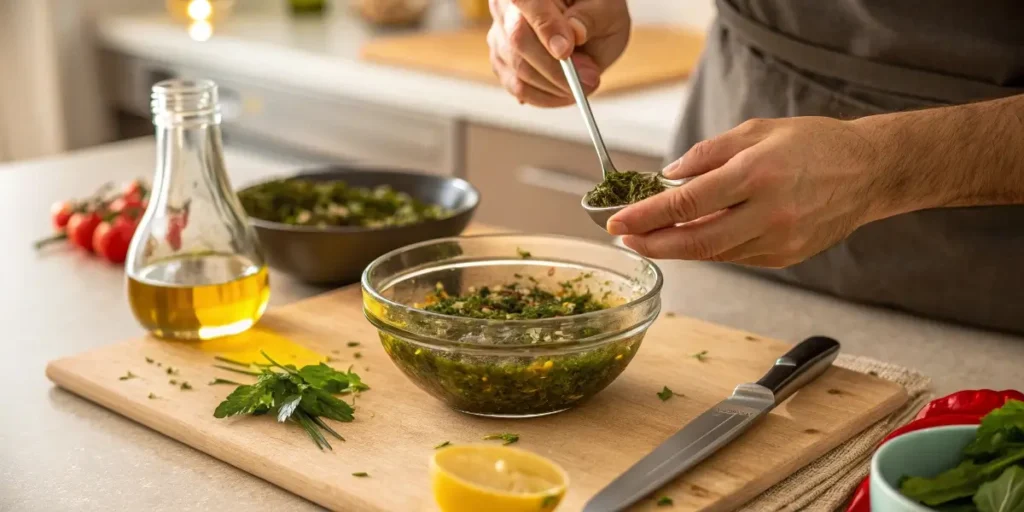
Looking for other classic sauces that elevate grilled dishes? Learn more about homemade chicken taco seasoning or garlic parmesan chicken pasta. Both pair beautifully with chimichurri-marinated meats.
Tips for Balancing Flavors Like a Pro Chef
The difference between a good and a great chimichurri recipe lies in balance. Too much vinegar, and it becomes harsh. Too little oil, and it loses body. Here are professional tips to help you fine-tune your sauce:
- Use high-quality olive oil. It’s the foundation of your chimichurri. Cheap or overly strong oils can overpower the herbs.
- Don’t skip the resting time. The flavor develops as the herbs infuse the oil, creating a more rounded taste.
- Keep herbs dry before chopping. Water can dilute the sauce and cause it to spoil faster.
- Experiment with acids. Try swapping vinegar for lemon juice, lime juice, or apple cider vinegar to suit different dishes.
- Add texture with shallots or chili. For an extra kick, add minced shallots or fresh chili pepper — a secret used by many Argentine grill masters.
For additional flavor inspiration, check out delicious smoked salmon brine recipe to see how acidity and salt balance perfectly in marinades.
Secrets to a Great Chimichurri
The Role of Fresh Herbs and Olive Oil in the Perfect Blend
The true secret to a great chimichurri recipe is quality. Even though the ingredients are simple, the flavor depends on how fresh and balanced those elements are. The two components that make or break your sauce are fresh herbs and olive oil.
1. Fresh herbs matter most.
Use bright green, crisp parsley and fresh oregano whenever possible. Dried herbs can work in a pinch, but they’ll never deliver the same vibrancy. Fresh herbs release essential oils that infuse the sauce with life and aroma. Always wash and dry them thoroughly — any leftover moisture can dull the flavors.
2. Olive oil quality defines smoothness.
A cold-pressed extra virgin olive oil gives chimichurri its signature silkiness. It also carries the herbal and garlicky notes beautifully without overpowering them. Avoid strong or bitter oils, as they can create an unpleasant aftertaste.
3. Balance acidity and fat.
The ratio of vinegar to oil (about 1:2) ensures a tangy yet mellow sauce. This balance is key when pairing chimichurri with fatty meats, helping cut through the richness without overwhelming it.
Learn more about using oils and fats effectively by checking our brine for chicken wings guide — it explains how salt, acid, and fat interplay to enhance flavor.
Common Mistakes to Avoid When Making Chimichurri
Even seasoned cooks can make small missteps that alter the outcome of this classic chimichurri recipe. Avoid these pitfalls to ensure your sauce tastes as authentic as possible:
- Over-blending: Using a blender or food processor might seem convenient, but it bruises the herbs and turns your sauce bitter. Always chop by hand for a clean, fresh taste.
- Using old or dried herbs: Dried parsley or oregano dulls the brightness of chimichurri. Stick to fresh greens for the best result.
- Skipping the resting time: Chimichurri needs at least 30 minutes to let the flavors meld. Serving it immediately after mixing prevents the oil from absorbing the garlic and herbs.
- Too much vinegar: Vinegar adds brightness, but too much can overpower the sauce. Taste as you go and adjust gradually.
- Improper storage: Never store chimichurri in metal containers, as the acid can react with metal. Always use glass jars or ceramic bowls.
To better understand flavor timing, read delicious spiced Cajun turkey recipe, where seasoning and rest time are just as crucial as in chimichurri.
Gordon Ramsay and Jamie Oliver’s Chimichurri Versions
How to Make Gordon Ramsay’s Chimichurri Sauce
When it comes to bold, punchy flavors, Gordon Ramsay’s chimichurri recipe is an instant classic. His version embraces traditional Argentinian roots but adds a modern twist with a touch of heat and citrus. Ramsay focuses on layering flavors, creating a sauce that’s as vibrant in color as it is in taste.
Ingredients for Gordon Ramsay’s Chimichurri Sauce:
| Ingredient | Quantity | Chef’s Note |
|---|---|---|
| Fresh flat-leaf parsley | 1 cup | Use finely chopped leaves, no stems |
| Fresh cilantro | ½ cup | Adds freshness and brightness |
| Garlic cloves | 4 | Crushed for stronger aroma |
| Red chili or jalapeño | 1 small | Gives it a fiery edge |
| Lemon juice | 1 tbsp | Ramsay’s citrus twist |
| Extra virgin olive oil | ½ cup | Smooth texture and richness |
| Salt and pepper | To taste | Season boldly |
Steps:
- Combine garlic, chili, parsley, and cilantro in a bowl.
- Mix in vinegar and lemon juice.
- Slowly pour in olive oil while whisking to emulsify.
- Season with salt and pepper, then rest for 15–20 minutes before serving.
Ramsay’s chimichurri recipe shines with grilled meats — especially steak, lamb, and even roasted vegetables. He emphasizes using the freshest herbs and the best olive oil possible to achieve the ideal flavor.
Check out Gordon Ramsay beef Wellington recipe to see how the chef layers flavors with the same precision he uses in his sauces. You can also learn from his balance techniques by exploring garlic shrimp gratin — a dish that also thrives on fresh herbs and creamy depth.
How to Make Jamie Oliver’s Chimichurri Recipe
Jamie Oliver’s chimichurri recipe stays true to the Argentinian tradition while highlighting fresh, organic ingredients. Known for his “no-fuss” cooking style, Oliver keeps his sauce rustic and textured — he prefers hand-chopped herbs rather than blended ones, ensuring every bite bursts with flavor.
Jamie Oliver’s Chimichurri Ingredients:
| Ingredient | Quantity | Jamie’s Tip |
|---|---|---|
| Fresh parsley | 1 cup | Flat-leaf only, finely chopped |
| Garlic cloves | 3 | Minced |
| Olive oil | ½ cup | Adds a smooth base |
| Red chili flakes | ½ tsp | Optional heat |
| Lemon zest | ½ tsp | Adds freshness |
| Sea salt and cracked pepper | To taste | Enhances flavor |
Preparation:
- Finely chop the parsley and garlic by hand.
- Mix with chili flakes, vinegar, and lemon zest.
- Gradually stir in olive oil to create a light emulsion.
- Let the mixture sit for 30 minutes before serving.
Oliver often serves his chimichurri with steak, grilled chicken, or roasted vegetables. His secret is simplicity — letting each ingredient shine without overpowering the others.
If you’re inspired by Jamie’s fresh, herby approach, don’t miss our herb-based edamame rice recipe, which also celebrates clean, natural flavors.
Chimichurri Recipe Pairings and Uses
Best Dishes to Serve with Chimichurri Sauce
One of the reasons the chimichurri recipe has become such a worldwide favorite is its incredible versatility. From sizzling grilled steaks to roasted vegetables and seafood, chimichurri transforms ordinary dishes into something extraordinary.
Here are some of the best dishes to pair with chimichurri sauce:
| Dish Type | Perfect Pairing | Why It Works |
|---|---|---|
| Grilled Steak (Ribeye, Skirt, Flank) | Traditional chimichurri | The acidity cuts through rich meat flavor |
| Chicken (Roasted or Grilled) | Lemon-based chimichurri | Enhances light meats with zest |
| Seafood (Shrimp, Salmon, Tilapia) | Cilantro-lime chimichurri | Adds freshness and brightness |
| Vegetables (Zucchini, Eggplant, Potatoes) | Spicy red chimichurri | Adds depth and smokiness |
| Tofu or Tempeh | Green herb chimichurri | Ideal for vegan and vegetarian diets |
Try using chimichurri as a marinade, dipping sauce, or finishing drizzle. It also works beautifully over baked fish or even as a tangy salad dressing.
If you prefer a lighter protein, explore baked whole tilapia — drizzle it with chimichurri before serving for a restaurant-quality finish.
Using Chimichurri Beyond Grilled Meats
The beauty of the chimichurri recipe lies in its adaptability. While it’s most famous as a steak sauce, this herb-packed blend shines in many unexpected ways. Here are some creative uses to elevate your meals:
- As a sandwich spread: Swap mayonnaise for chimichurri to add depth and brightness to steak sandwiches or paninis.
- In salad dressings: Combine chimichurri with extra vinegar or lemon juice for a tangy vinaigrette.
- As a pizza drizzle: Add a spoonful of chimichurri over freshly baked pizza for an herby pop.
- On eggs: Use a drizzle over poached or scrambled eggs for breakfast perfection.
- As a dip for crusty bread: Serve it as an appetizer — just like olive oil dip, but with more punch.
- In pasta or grain bowls: Mix into quinoa, rice, or pasta for a fresh, Mediterranean twist.
Want more pairing inspiration? Check out cottage cheese bagel recipe — a surprising but delightful base for spreading chimichurri.
Chimichurri Recipe Storage and Preservation
How to Store Homemade Chimichurri for Maximum Freshness
A well-made chimichurri recipe doesn’t just shine fresh off the spoon — it also develops deeper, more complex flavors over time. The key to keeping your sauce vibrant and safe to eat is proper storage.
Here’s the best method to store your homemade chimichurri sauce:
- Use a clean, airtight glass jar.
Always store chimichurri in a sterilized glass container or mason jar. Avoid metal containers, as vinegar and acid can react with metal and alter the flavor. - Refrigerate immediately.
Once prepared, refrigerate the sauce right away. Chimichurri lasts up to 2 weeks in the fridge if properly sealed. Before serving, bring it to room temperature and stir to re-emulsify. - Keep herbs submerged in oil.
To prevent spoilage, ensure all herbs are covered with olive oil. The oil acts as a protective barrier, keeping air and bacteria out. - Avoid contamination.
Use a clean spoon each time you scoop chimichurri — introducing moisture or food particles can shorten its shelf life.
Here’s a quick reference table for storage tips:
| Storage Method | Shelf Life | Key Tip |
|---|---|---|
| Refrigerator (Glass Jar) | 10–14 days | Keep herbs covered in oil |
| Freezer (Ice Cube Tray) | Up to 3 months | Thaw overnight in fridge |
| Room Temperature | Not recommended | Can spoil quickly due to garlic and herbs |
Want to know how long other homemade sauces last? Check out how long can tuna salad last in the fridge for safe food storage practices that apply to chimichurri too.
Freezing vs. Refrigerating: Which Is Better?
Freezing chimichurri is a fantastic way to make it last longer without losing much flavor. The chimichurri recipe freezes surprisingly well when done correctly — especially when portioned for single-use servings.
To freeze chimichurri:
- Spoon the sauce into an ice cube tray, filling each slot about ¾ full.
- Cover tightly with plastic wrap or a lid.
- Once frozen solid, transfer cubes to a freezer-safe bag.
When you’re ready to use, simply thaw a cube in the fridge overnight or melt it gently in a small dish at room temperature.
Freezing maintains up to 90% of the original flavor and aroma, especially when fresh herbs and good-quality oil are used. Just avoid microwaving, as it can dull the vibrant green color.
If you’re interested in other sauces that freeze beautifully, don’t miss homemade yogurt fruit dip — a creamy, refreshing option to enjoy alongside grilled meats or veggies.
Chimichurri Recipe Nutrition and Health Benefits
Nutritional Profile of Chimichurri Sauce
The chimichurri recipe isn’t just a flavor powerhouse — it’s also incredibly nutritious. Made from wholesome, natural ingredients, this herb-packed sauce delivers antioxidants, healthy fats, and essential vitamins that support overall wellness.
Here’s a breakdown of the approximate nutritional values per 1 tablespoon (15g) of chimichurri:
| Nutrient | Amount | Health Benefit |
|---|---|---|
| Calories | 70 kcal | Moderate energy boost |
| Fat | 7g (mainly healthy monounsaturated fats) | Heart-healthy olive oil fats |
| Carbohydrates | 1g | Minimal carb content |
| Protein | <1g | Trace amounts from herbs |
| Sodium | 85mg | Balances flavor |
| Vitamin C | 10% DV | Supports immune function |
| Vitamin K | 30% DV | Promotes bone health and blood clotting |
| Antioxidants | High | Fights inflammation and cell damage |
Because the chimichurri recipe relies on fresh herbs, it’s naturally free of additives, gluten, and refined sugar. The olive oil base delivers monounsaturated fats known to support cardiovascular health, while the parsley and oregano provide detoxifying and anti-inflammatory benefits.
For those following special diets, chimichurri fits beautifully into:
- Keto diets: Low in carbs and high in healthy fats
- Paleo diets: 100% natural, unprocessed ingredients
- Vegan and gluten-free diets: Entirely plant-based
If you’re exploring healthy eating, check out blue zone diet recipes to see how Mediterranean-style foods like chimichurri promote longevity.
How This Herb Sauce Supports a Healthy Diet
What makes the chimichurri recipe such a nutritional winner is its balance. Unlike heavy dressings or creamy sauces, chimichurri provides vibrant flavor without weighing down your meal. It’s a prime example of how healthy food doesn’t have to be bland.
Key health benefits include:
- Heart Health: Olive oil’s monounsaturated fats help reduce bad cholesterol (LDL) while raising good cholesterol (HDL).
- Anti-Inflammatory Properties: Garlic and oregano contain compounds that combat inflammation and oxidative stress.
- Digestive Aid: The vinegar and herbs stimulate digestion, helping break down proteins and fats more efficiently.
- Detox Support: Parsley acts as a natural diuretic, aiding the body in flushing out toxins.
- Immunity Boost: Antioxidants from herbs and garlic strengthen your immune response naturally.
For another nutrient-dense herb-based dish, try delicious Moroccan chicken tagine, which shares chimichurri’s balance of herbs, spice, and health benefits.
Mastering Chimichurri for Steaks — The 3-3-3 Rule Explained
What Is the 3-3-3 Rule for Steaks and How It Enhances Flavor
When pairing the chimichurri recipe with steak, understanding the 3-3-3 rule can take your grilling game from average to outstanding. This simple but precise cooking method ensures perfect sear, tenderness, and juiciness every time.
The 3-3-3 rule refers to how you cook your steak on high heat:
- 3 minutes on one side,
- 3 minutes on the other side,
- 3 minutes resting.
Here’s how it works step by step:
- Preheat your grill or pan until it’s sizzling hot. A well-heated surface creates a quick sear that locks in juices and forms a delicious crust.
- Cook the first side for 3 minutes. Avoid pressing or moving the steak — let it caramelize naturally.
- Flip and cook for another 3 minutes. This short time preserves medium-rare doneness, the sweet spot for pairing with chimichurri.
- Rest for 3 minutes. Resting allows juices to redistribute evenly, preventing a dry steak.
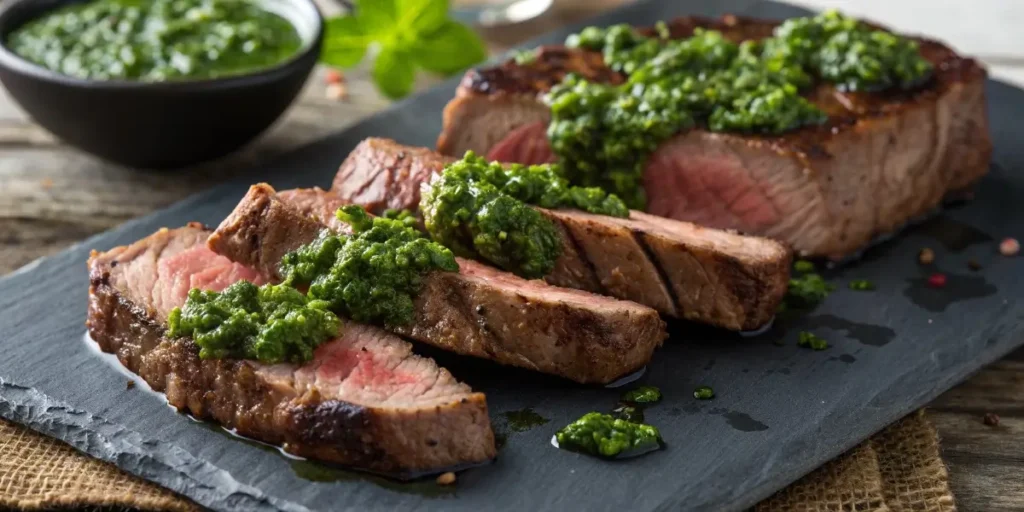
Once rested, slice the steak thinly against the grain and drizzle with your freshly made chimichurri sauce. The vibrant acidity of the sauce cuts through the richness of the meat, highlighting both textures perfectly.
For thicker cuts, such as ribeye or picanha, add an extra minute per side to maintain tenderness. If you love outdoor cooking, check out smoked chicken drumsticks for another protein that benefits from precise timing and temperature control.
Pairing Chimichurri with Perfectly Cooked Steaks
The marriage between steak and the chimichurri recipe is legendary in Argentinian cuisine. The key lies in balancing smoky, savory meat flavors with chimichurri’s sharp, herbaceous brightness.
Here are some pairing tips to achieve the ideal combination:
- Choose the right cut: Skirt, flank, or hanger steak works best for soaking up chimichurri’s acidity.
- Marinate before grilling: Let the meat rest in half of your chimichurri mixture for 30–60 minutes before cooking. The vinegar and herbs tenderize and flavor the steak.
- Use the rest as a topping: Fresh chimichurri (not used for marinating) should be drizzled over the hot meat right before serving.
- Avoid overpowering spices: Since chimichurri already delivers bold flavors, keep steak seasonings simple — salt, pepper, and a touch of garlic powder.
For additional grilling mastery, check out crockpot loaded steak and potato bake, a hearty alternative for those who prefer oven-style cooking.
Conclusion: Why Chimichurri Recipe Deserves a Spot in Your Kitchen
The chimichurri recipe is more than a condiment — it’s a vibrant piece of Argentinian heritage that transforms simple meals into something unforgettable. With its perfect balance of herbs, acid, and oil, it adds freshness to everything from juicy steaks to plant-based bowls.
Whether you’re mastering the 3-3-3 steak rule, exploring chef-inspired versions by Gordon Ramsay and Jamie Oliver, or drizzling it over roasted vegetables, chimichurri brings life to your table. Simple, flavorful, and endlessly versatile — this is one sauce every home cook should know by heart.
Looking for inspiration? Try delicious ground beef crock pot for a comforting dinner that pairs beautifully with a spoonful of chimichurri.
FAQs
What are the ingredients in chimichurri?
A traditional chimichurri recipe includes fresh parsley, oregano, garlic, vinegar, olive oil, salt, pepper, and red pepper flakes. Some variations use lemon juice, cilantro, or shallots for added depth. These ingredients blend into a vibrant, tangy sauce perfect for grilled meats, seafood, or vegetables.
How to make perfect chimichurri?
To make perfect chimichurri, finely chop fresh herbs by hand, mix them with minced garlic, vinegar, and spices, and then stir in high-quality olive oil. Let the sauce rest for at least 30 minutes before serving to allow flavors to meld. Avoid using a blender — hand-chopping gives the sauce its rustic texture and freshness.
What is the secret to a great chimichurri?
The secret lies in fresh ingredients and balance. Use high-quality extra virgin olive oil and freshly chopped herbs. Keep the vinegar-to-oil ratio around 1:2, and let the sauce rest before serving. Fresh herbs, good oil, and patience make all the difference in the final flavor.
How do you make Gordon Ramsay’s chimichurri sauce?
Gordon Ramsay’s chimichurri recipe adds a touch of heat and citrus. He combines parsley, cilantro, chili, garlic, vinegar, and lemon juice, then emulsifies it with olive oil. His version is bold, spicy, and slightly tangy — ideal for steaks and grilled lamb.
How do you make Jamie Oliver’s chimichurri?
Jamie Oliver keeps his chimichurri recipe simple and hand-chopped. He uses parsley, garlic, chili flakes, vinegar, olive oil, and lemon zest. His rustic approach emphasizes texture and freshness, making it perfect for everyday cooking or quick marinades.
What is the 3-3-3 rule for steaks?
The 3-3-3 rule is a steak-cooking technique: grill your steak for 3 minutes on one side, flip for another 3 minutes, and let it rest for 3 minutes. This ensures a tender, medium-rare result that pairs beautifully with chimichurri’s acidity and herbs.