
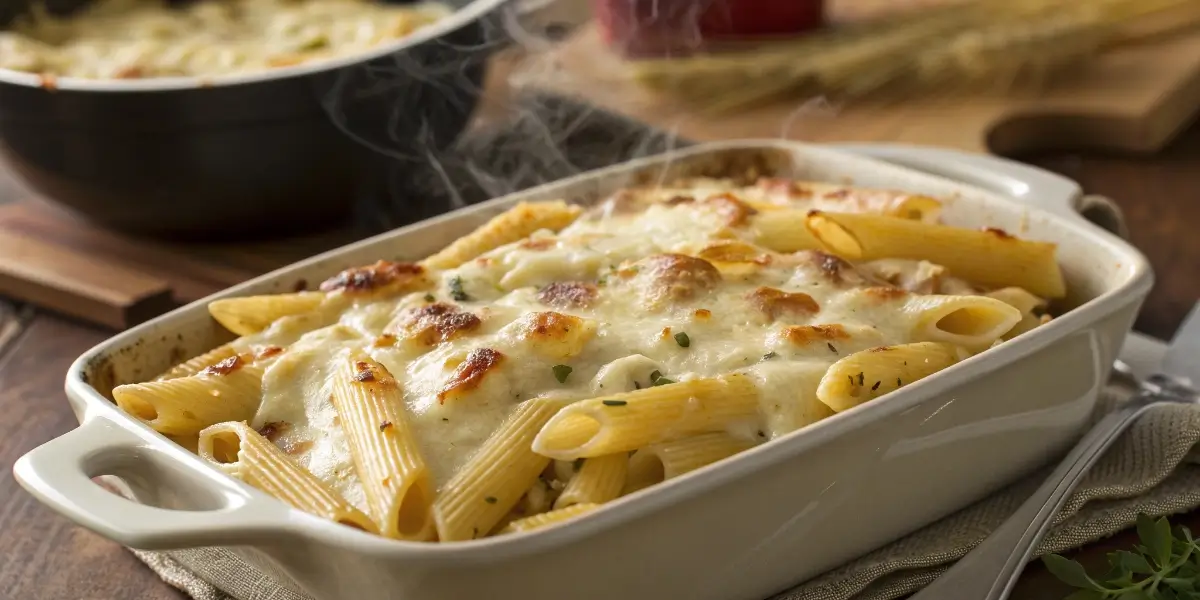
Baked Brie Pasta – The Creamiest Comfort Food You’ll Ever Make
If you’ve ever wished your pasta could taste like a cozy cheese board in a bowl, baked brie pasta is your dream come true. This rich, creamy, and comforting dish turns ordinary noodles into a restaurant-worthy meal with minimal effort. The secret? Brie cheese — soft, buttery, and melt-in-your-mouth delicious. This recipe keeps things wholesome and alcohol-free while delivering all the indulgence you crave.
Looking for inspiration? Try our crack chicken pasta recipe for another creamy comfort food favorite.
Table of Contents
Introduction to Baked Brie Pasta
What Makes Baked Brie Pasta Irresistible?
Baked brie pasta is the perfect harmony between elegance and comfort. When brie cheese meets hot pasta, it transforms into a smooth, velvety sauce that coats every strand beautifully. The mild, buttery flavor of brie pairs wonderfully with simple ingredients like garlic, herbs, and olive oil, making it ideal for both weeknight dinners and special occasions. Unlike heavy cream sauces, baked brie pasta feels indulgent yet light, thanks to the delicate texture of melted brie.
The baking step enhances the flavor even more. As the pasta bakes, the brie melts deeply into the noodles, creating a luscious, golden layer of creamy goodness. The result is a dish that feels fancy but takes under an hour to prepare — making it a go-to for anyone craving comfort food with a gourmet twist.
Why Brie Cheese Elevates Your Pasta Game
Brie isn’t just another cheese—it’s the heart of this pasta’s luxurious texture. Known for its creamy interior and edible rind, brie melts beautifully into sauces without needing heavy cream or butter. Its subtle earthiness complements everything from roasted vegetables to mild spices.
If you’ve never cooked with brie before, think of it as a milder cousin of camembert—smooth, soft, and effortlessly melty. Once baked, it forms a silky sauce that hugs your pasta perfectly. For an extra layer of richness, try combining brie with mozzarella or Parmesan to balance its creaminess.
Check out our boursin cheese pasta recipe to see how soft cheeses can transform your dinner table. Don’t miss our garlic parmesan chicken pasta if you love creamy, cheesy flavors.
Understanding Brie Cheese in Pasta
Does Brie Melt Well in Pasta and Why It Works Perfectly
Brie melts wonderfully in pasta because it has a high fat content and a soft, creamy core that turns silky when heated. When added to warm noodles or a baked dish, it gently melts into a smooth sauce without breaking apart — unlike some firmer cheeses that can become stringy or oily. The key to getting that flawless melt is low, even heat.
Cut your brie into small chunks (you can leave the rind on) and stir it into hot pasta straight from the pot. The residual heat will melt it perfectly. If you’re baking, the oven’s gentle warmth gives it an irresistible, gooey texture that coats the pasta evenly.
Brie works beautifully with short pasta shapes like penne, rigatoni, or shells because the sauce clings to every curve. You can even mix in a little pasta water to help emulsify the sauce and make it extra creamy. Learn more about balancing textures and sauces with our elote pasta salad recipe, which uses the same creamy concept with bold flavors.
Choosing the Right Brie for Your Pasta Dish
Not all brie cheeses are created equal. For baked brie pasta, choose double-cream brie for the smoothest melt and richest flavor. Avoid brie that’s too aged or overly firm — it won’t melt as evenly and can overpower the dish.
If you prefer a milder taste, go for young brie with a pale rind and creamy texture. For deeper flavor, triple-cream brie delivers that luxurious mouthfeel perfect for a cozy pasta bake. Always remove any overly thick rind if it feels tough, but a thin rind adds pleasant flavor and helps stabilize the cheese while melting.
For a similar creamy, tangy experience, check out our goat cheese recipes.
How to Prepare Baked Brie Pasta Step-by-Step
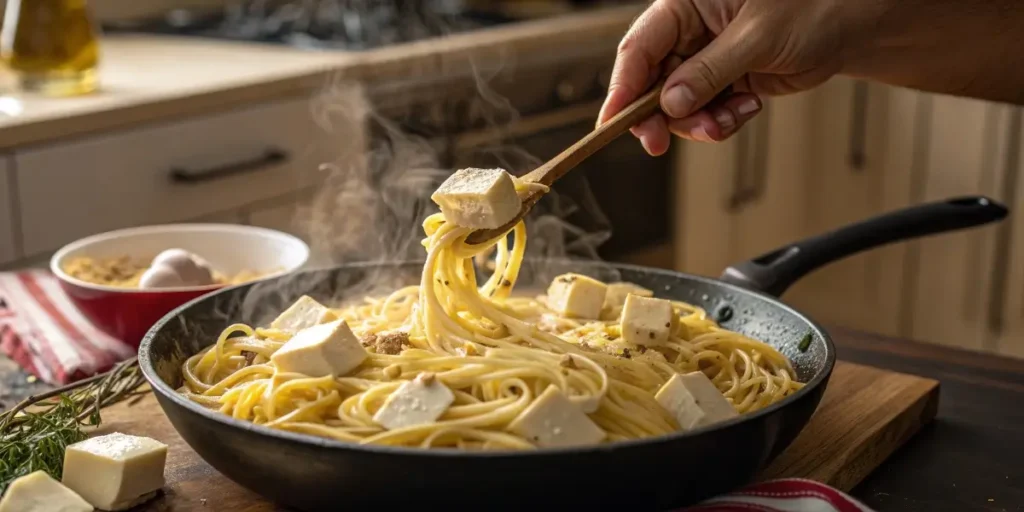
Essential Ingredients for a Perfect Baked Brie Pasta
Making baked brie pasta is surprisingly simple—you only need a few pantry staples and one star ingredient. The goal is to balance the brie’s creamy richness with comforting flavors that don’t overwhelm the cheese. Here’s what you’ll need:
| Ingredient | Purpose |
|---|---|
| Pasta (penne, rigatoni, or shells) | Holds sauce perfectly |
| Brie cheese (double or triple cream) | Creates the creamy sauce |
| Garlic (freshly minced) | Adds depth and aroma |
| Olive oil or butter | Helps the brie melt smoothly |
| Salt and black pepper | Enhances overall flavor |
| Milk or light cream (optional) | Makes sauce silkier |
| Spinach or cherry tomatoes (optional) | Adds freshness and color |
You’ll notice there’s no alcohol or pork in this version—it’s clean, wholesome, and family-friendly. The brie’s natural creaminess makes it rich enough without adding wine or bacon.
For more inspiration on easy, no-wine recipes, check out our homemade chicken and gravy that achieves perfect creaminess with simple ingredients.
Step-by-Step Method for a Creamy Brie Pasta Bake
Step 1: Preheat and prep.
Preheat your oven to 375°F (190°C). Cook your pasta until just al dente — it will finish cooking in the oven. Drain and set aside, reserving ½ cup of pasta water.
Step 2: Melt the brie.
In a large oven-safe dish, place the brie in the center (rind on). Drizzle with olive oil, sprinkle minced garlic, and bake for about 15 minutes, or until the cheese starts to bubble.
Step 3: Combine and bake.
Toss the cooked pasta into the melted brie. Add a splash of reserved pasta water to help the sauce come together. Mix well until the noodles are evenly coated. Sprinkle with cracked pepper and bake for another 10 minutes until golden and creamy.
Step 4: Garnish and serve.
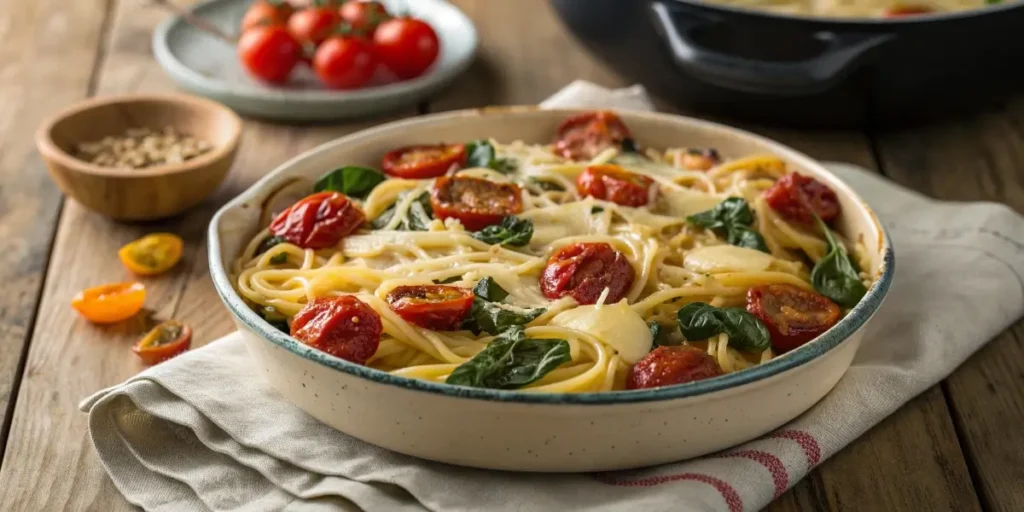
Top with fresh basil or roasted cherry tomatoes for color. Serve hot and enjoy the gooey, luxurious texture that only brie can create.
For a fun twist on creamy textures, don’t miss our creamy succotash recipe, which uses a similar melt-and-mix approach for a velvety finish.
Tips for the Creamiest Sauce
Can You Melt Brie into a Sauce Without It Separating?
Yes — and that’s one of the most magical parts of making baked brie pasta. The trick is gentle heat and the right liquid balance. Brie cheese melts quickly, but too much heat or too little liquid can cause it to separate or turn grainy.
To keep your sauce velvety smooth, always start by letting the brie soften at room temperature.
Once it’s soft, mix it into hot pasta with a splash of the reserved cooking water. The starch in that water helps emulsify the sauce, locking in creaminess. You can also whisk in a tablespoon of milk or light cream for an even silkier finish.
Avoid using heavy cream—it can mask brie’s delicate flavor. Also, skip boiling the sauce after adding the cheese. Heat is your friend here, but only when handled gently.
If you’d like to see how creamy sauces can shine without curdling, check out our gluten-free fettuccine alfredo recipe. It follows the same balance of heat and texture for a flawlessly smooth sauce every time.
How to Balance Brie’s Richness with Other Ingredients
Brie is deliciously rich, but balance is key. If you go overboard, your pasta might taste heavy. The secret is combining creamy brie with light, bright ingredients that add freshness and contrast.
A sprinkle of lemon zest, a handful of spinach, or a few cherry tomatoes can brighten the dish without dulling its creamy charm. You can also toss in roasted garlic or sautéed mushrooms for a savory depth that complements brie’s buttery tone.
Try to keep the rest of your dish simple—brie is the star, and too many bold flavors will overpower it. For a refreshing side, pair your baked brie pasta with something crisp and herby like our greek side dishes.
Baked Brie Pasta Variations
Vegetarian Baked Brie Pasta Ideas
Baked brie pasta is endlessly versatile, making it easy to adapt for vegetarians and those avoiding alcohol or pork. The key is focusing on ingredients that complement brie’s creamy, nutty flavor while keeping the dish light and wholesome.
Here are a few tried-and-true vegetarian variations:
- Spinach and Tomato Brie Bake – Toss wilted spinach and roasted cherry tomatoes with your pasta before baking. The tomatoes add a bright acidity that balances the cheese beautifully.
- Mushroom and Herb Brie Pasta – Add sautéed mushrooms, garlic, and thyme for an earthy twist that pairs perfectly with brie’s creaminess.
- Roasted Veggie Brie Pasta – Use zucchini, bell peppers, or asparagus for color and crunch. Roast them beforehand to enhance flavor without extra sauces.
- Garlic and Basil Brie Pasta – A drizzle of olive oil and a sprinkle of fresh basil give your baked pasta an Italian-inspired finish.
For another wholesome and veggie-forward dish, don’t miss our vegetarian cheese corn dip, which follows the same cheesy, satisfying philosophy.
Add-Ins to Boost Flavor and Texture
Adding the right mix-ins can turn your baked brie pasta into a restaurant-worthy meal. The goal is to enhance the creamy sauce while maintaining balance and structure. Here are some ideas:
| Add-In | Why It Works |
|---|---|
| Grilled chicken (optional) | Adds protein while keeping it mild |
| Toasted breadcrumbs | Creates a crispy topping for contrast |
| Chopped walnuts or pecans | Brings nutty crunch and depth |
| Fresh herbs (basil, thyme, parsley) | Brightens rich flavors |
| Spinach or kale | Adds nutrition and a pop of color |
If you enjoy creamy sauces with a crunchy finish, check out our casserole recipes for the Fourth of July for inspiration on texture contrast.
Common Mistakes to Avoid
Do You Take the Rind Off Brie Before Baking?
This is one of the most common questions when cooking with brie — and the answer depends on your preference. The rind of brie cheese is entirely edible and flavorful, adding a subtle earthiness that enhances the sauce. When baked, it softens and melts into the dish, blending beautifully with the pasta.
However, if you’re after a smoother sauce texture, you can remove the top rind before baking. Just slice off the top layer (leave the sides intact) so the creamy interior can ooze freely into your pasta. Avoid removing all the rind — it helps the cheese hold its structure while baking.
If your brie is older or has a thick, tough rind, trim it slightly for a better melt. Fresh, high-quality brie has a thin rind that blends effortlessly into your dish. Learn how to handle delicate ingredients like cheese with our boursin cheese recipe, where proper preparation makes all the difference.
How to Prevent the Cheese from Getting Grainy
Grainy sauce happens when the fat in the cheese separates from the milk solids — usually caused by high heat or overbaking. To avoid this, always melt your brie gently. Let it soften naturally in a warm environment or low oven before stirring into your pasta.
Here are a few quick fixes for perfect texture every time:
- Don’t overheat: Keep the oven temperature below 400°F.
- Add moisture: A splash of pasta water or milk helps the sauce emulsify.
- Stir gently: Mix the melted brie and pasta slowly to combine without breaking the texture.
- Bake briefly: Ten to fifteen minutes is plenty for the final bake — any longer, and the sauce can separate.
If you want more ideas on how to create creamy, lump-free textures, check out our creamy succotash recipe, which uses similar balancing techniques to keep sauces smooth and rich.
Health & Nutrition Insights
Why Does My Stomach Hurt After Eating Brie? (Possible Reasons)
Brie cheese is undeniably delicious, but for some people, it can cause mild stomach discomfort. The most common reason is lactose intolerance. Although brie contains less lactose than many other cheeses, it can still trigger bloating or gas in sensitive individuals. Another possible culprit is the rich fat content — since brie is a double- or triple-cream cheese, it’s naturally high in saturated fats that can be harder to digest for some people.
Additionally, those sensitive to mold-ripened cheeses may experience mild digestive upset, especially if the brie isn’t pasteurized. To prevent this, choose pasteurized brie made from cow’s milk and enjoy it in moderation. Pairing it with high-fiber sides like whole-grain pasta or vegetables can also help your body digest the richness more easily.
If you tend to have a sensitive stomach, opt for smaller servings or try blending brie with lighter cheeses such as mozzarella or ricotta. They provide creaminess with less fat. You can explore our tuna salad with Greek yogurt for a gentle, protein-packed recipe that’s easy on digestion.
Is Baked Brie Pasta Healthy or an Occasional Treat?
Baked brie pasta is best enjoyed as an occasional indulgence rather than an everyday meal. While it’s rich in calcium and protein, it’s also high in fat and calories. The good news is that it can still fit into a balanced diet when portioned wisely and paired with nutritious sides.
Here’s a quick nutritional snapshot (per serving):
| Nutrient | Approximate Amount | Benefit |
|---|---|---|
| Calories | 450–550 | Energy source |
| Protein | 18–20g | Builds and repairs muscles |
| Calcium | High | Strengthens bones |
| Fat | 25–30g | Keeps you full, adds flavor |
To make your baked brie pasta lighter, use whole wheat pasta or gluten-free alternatives and mix in greens like spinach, kale, or peas. You can also substitute part of the brie with low-fat cream cheese for a similar creaminess.
For more balanced comfort meals, check out our healthy shredded chicken recipe, which offers a lean protein base you can combine with lighter pasta dishes.
Serving & Pairing Suggestions
Best Side Dishes to Serve with Baked Brie Pasta
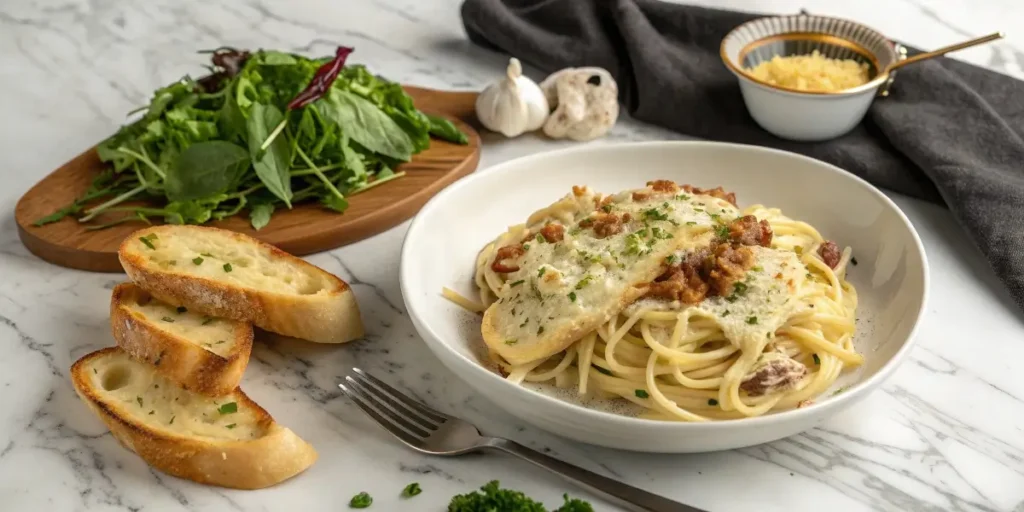
Baked brie pasta is creamy and rich, so pairing it with light, refreshing sides creates the perfect balance. The goal is to contrast the cheese’s buttery flavor with crisp, tangy, or herby notes. Here are some crowd-pleasing side ideas:
- Green Salad with Lemon Dressing – A simple salad with mixed greens, cherry tomatoes, and a zesty lemon vinaigrette cuts through the richness beautifully.
- Garlic Roasted Vegetables – Try roasting broccoli, carrots, or zucchini for earthy balance.
- Crispy Garlic Bread – Adds crunch and texture, perfect for soaking up leftover sauce.
- Caprese Salad – Fresh mozzarella, tomatoes, and basil bring a refreshing Mediterranean twist.
- Steamed Asparagus or Green Beans – Light, crisp, and excellent for cleansing the palate.
If you want more pairing inspiration, check out our greek side dishes, which feature bright flavors that work perfectly with creamy mains. You can also discover great ideas like our vegan yum yum sauce recipe, which makes a great dipping sauce for bread or veggies alongside baked brie pasta.
How to Store and Reheat Leftover Brie Pasta Without Drying It Out
Baked brie pasta reheats surprisingly well — but only if done right. The trick is preserving that creamy texture while avoiding clumps or dryness. Here’s how to do it:
To Store:
- Cool your pasta completely before transferring it to an airtight container.
- Store in the refrigerator for up to 3 days. Brie sauce can thicken over time, but that’s easy to fix during reheating.
To Reheat:
- Add a splash of milk or a few tablespoons of pasta water to loosen the sauce.
- Warm gently on the stovetop over low heat, stirring frequently.
- If using a microwave, reheat in short 30-second intervals, stirring each time to maintain smoothness.
Avoid freezing baked brie pasta — it can separate and lose its creamy texture. Instead, make smaller batches for fresh enjoyment.
Conclusion: A Cozy, Creamy Classic — Baked Brie Pasta Done Right
Baked brie pasta is one of those dishes that feels gourmet yet couldn’t be simpler. With its buttery texture, delicate flavor, and melt-in-your-mouth creaminess, it’s a guaranteed crowd-pleaser for family dinners, cozy weekends, or special occasions. The best part? You don’t need fancy ingredients or alcohol-based sauces — just brie, pasta, and a few pantry staples.
Serve it fresh out of the oven, pair it with crisp greens or roasted veggies, and enjoy a comforting, cheesy dish that tastes like pure indulgence. Once you try it, this recipe will earn a permanent spot in your comfort food rotation.
Don’t miss our vegan breakfast burrito recipe for a wholesome morning option, or our gluten-free dumplings if you want to explore more cozy, creamy meals.
FAQs
Does brie melt well in pasta?
Yes, brie melts beautifully in pasta. Its soft, creamy texture allows it to turn into a smooth, velvety sauce that coats every noodle. The key is to melt it slowly over gentle heat or stir it into hot pasta right after draining. This ensures it blends evenly without separating.
Can you put brie in a pasta bake?
Absolutely! Brie works wonderfully in pasta bakes. When baked, the cheese melts into the pasta, creating a golden, gooey layer of flavor. Simply combine cooked pasta, chunks of brie, and a splash of olive oil, then bake until bubbly and lightly browned.
Do you take the rind off brie before baking?
It depends on your preference. The rind is edible and adds a mild, earthy flavor to the dish. If you want a perfectly smooth sauce, you can remove just the top rind and leave the sides intact. This allows the brie to melt evenly while keeping its structure.
Can I mix brie into pasta?
Yes! If you’re short on time, skip the baking and mix cubes of brie directly into hot pasta. The heat from the noodles melts the cheese instantly, creating a creamy sauce in minutes. Add a splash of pasta water or milk for extra silkiness.
Can you melt brie into a sauce?
Definitely. Brie melts best when heated gently and combined with a bit of liquid — like milk, cream, or pasta water. Avoid high heat, as it can cause the fats to separate. Stir slowly for a glossy, restaurant-quality sauce.
Why does my stomach hurt after eating brie?
Brie is rich and creamy, which can sometimes cause discomfort if you’re sensitive to lactose or dairy fats. To avoid this, enjoy smaller portions, use pasteurized brie, and pair it with fiber-rich sides like vegetables or whole grains.