
Authentic Pasta Fagioli Recipe: The True Taste of Italy
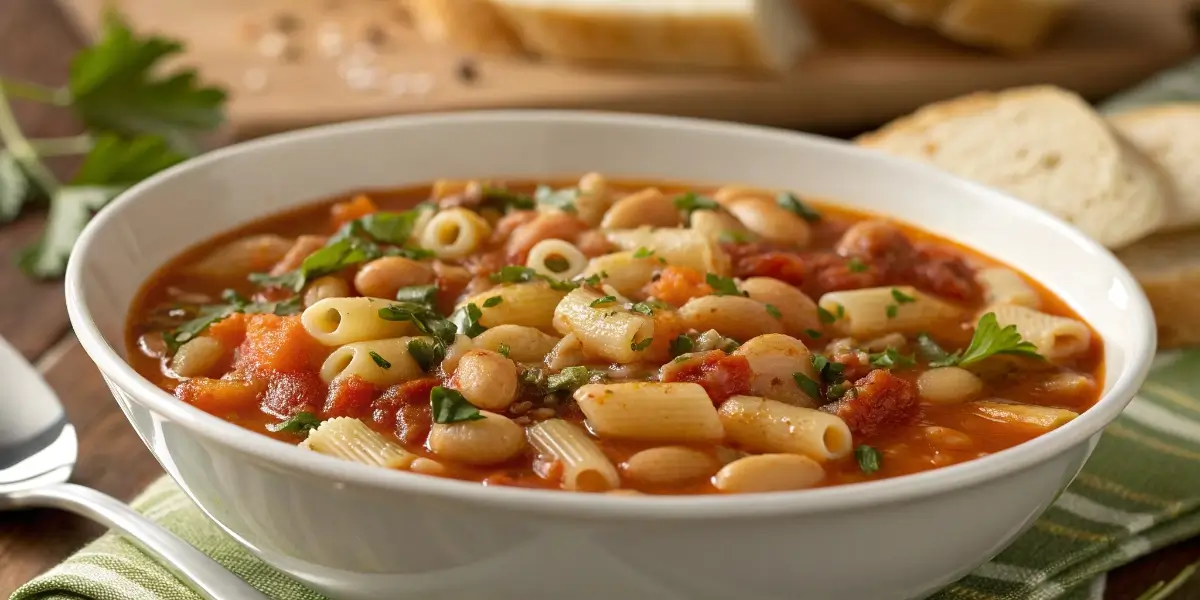
There’s something heartwarming about a bowl of pasta fagioli recipe authentic — a simple yet comforting Italian soup made with pasta, beans, and vegetables simmered together to perfection. Known in Italy as pasta e fagioli, this rustic dish captures the essence of home cooking. It’s the kind of meal Italian grandmothers have been perfecting for generations — full of flavor, love, and simplicity.
In this guide, you’ll learn everything from its humble origins to the secrets that make it irresistibly rich and hearty. We’ll walk through traditional ingredients, how to choose the best beans, and step-by-step cooking techniques for a truly authentic pasta fagioli recipe.
Looking for inspiration? Try our pastina recipe for another comforting Italian classic.
Table of Contents
Understanding the Roots of Pasta Fagioli Recipe Authentic
The History Behind Pasta e Fagioli
The story of pasta e fagioli dates back centuries, rooted in Italy’s rural traditions. Originally a peasant dish, it combined two inexpensive staples — pasta and beans — to create a hearty, nourishing meal. Each region, from Tuscany to Naples, developed its own spin on the recipe, using whatever ingredients were available locally.
What makes the authentic pasta fagioli recipe stand out is its simplicity. There’s no need for fancy ingredients; just good olive oil, fresh vegetables, tender beans, and pasta that perfectly absorbs the broth. Over time, it became a symbol of Italian comfort food — loved for its rich texture and balanced flavors that come together effortlessly.
Discover great ideas like Tuscan chicken meatballs with gnocchi for another Italian-inspired dinner.
Regional Variations Across Italy
While the foundation remains the same — pasta, beans, and broth — every Italian region adds its unique flair. In the north, you’ll often find thicker, creamier versions made with borlotti beans and shorter pasta shapes like ditalini or tubetti. In the south, it tends to be lighter, with a tomato-based broth and cannellini beans.
In Naples, it’s affectionately called pasta fazool, derived from the Neapolitan word for beans, fasule. This version often leans on extra garlic and fresh herbs for flavor rather than meat. Whether you prefer the hearty northern approach or the bright southern style, both capture the spirit of Italian home cooking.
Don’t miss our gnocchi alla sorrentina for another classic from southern Italy.
Key Ingredients for the Best Pasta Fagioli Recipe Authentic
Choosing the Right Beans for Pasta e Fagioli
The foundation of an authentic pasta fagioli recipe lies in the beans. Traditionally, Italians use borlotti beans (also known as cranberry beans) for their creamy texture and nutty taste. However, cannellini beans are another excellent option — they’re smooth, mild, and hold their shape beautifully while simmering in broth. Both varieties absorb flavor well and thicken the soup naturally without needing cream or added starch.
If you’re aiming for an even heartier dish, cook your beans from scratch instead of using canned. Soak them overnight, then simmer them slowly with garlic, onion, and bay leaves. This small step deepens the flavor and enhances the authentic Italian character of the soup. But if time’s short, high-quality canned beans rinsed well will still yield a delicious bowl.
Learn more about creating flavorful broths with this mirepoix broth concentrate guide that adds natural depth to soups like this one.
The Perfect Pasta Type for Authentic Texture
When it comes to pasta, size matters. The most authentic versions use small tubular shapes such as ditalini, tubetti, or elbow macaroni. Their compact design captures bits of beans, vegetables, and broth in every bite. Avoid long noodles like spaghetti — they don’t hold the soup’s chunky consistency as well.
For a gluten-free twist, try rice pasta or chickpea pasta, which maintain a firm texture even after simmering. Cook pasta separately, then add it near the end to prevent overcooking — a key trick Italians swear by. The pasta should soak up flavor but still keep a slight bite, known as al dente.
Check out our gluten-free fettuccine alfredo for more pasta options that fit every dietary preference.
Step-by-Step Guide to Cooking Authentic Pasta Fagioli
Preparing the Beans and Base Broth
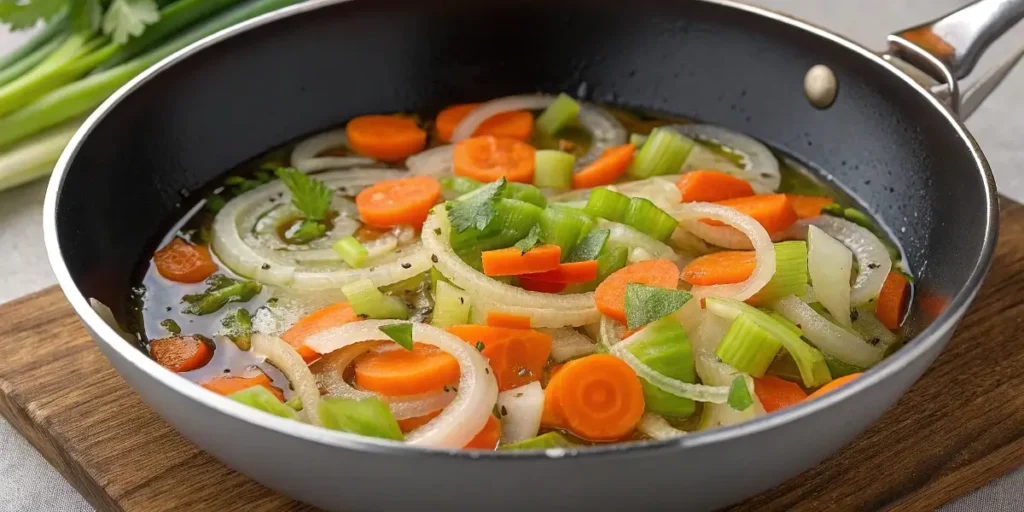
A rich and hearty authentic pasta fagioli recipe starts with a flavorful base. Begin by heating a few tablespoons of extra virgin olive oil in a heavy-bottomed pot. Add diced onions, carrots, and celery — the Italian soffritto — and sauté until tender and fragrant. Stir in minced garlic and cook briefly until it releases its aroma.
Next, pour in vegetable broth (or chicken broth if preferred) along with crushed tomatoes. Add cooked or canned beans, a sprig of rosemary, a bay leaf, and a pinch of salt and pepper. Simmer on medium-low for 25–30 minutes, allowing the flavors to blend naturally. The beans will break down slightly, thickening the soup and creating that rustic Italian consistency you’re after.
For a deeper taste, mash a few beans with a spoon and stir them back in. This simple trick gives the broth a velvety texture without adding cream or butter.
Looking for more cozy soup inspiration? Don’t miss our 10 vegetable soup recipe for another nutrient-packed bowl.
Combining Pasta, Beans, and Seasonings
Once your broth reaches the perfect consistency, it’s time to bring the dish together. Cook the pasta separately until it’s al dente. Then add it to the simmering bean mixture and stir well. This method keeps the pasta from absorbing too much liquid or becoming mushy.
Season with salt, cracked black pepper, and a touch of oregano or thyme. A drizzle of olive oil and a sprinkle of freshly grated Parmesan (optional) just before serving elevate the dish beautifully. If you prefer a thicker stew-like texture, let it rest for 10 minutes before serving — the pasta will absorb more of the flavorful broth.
For a complete Italian dinner idea, check out our rasta pasta recipe — it’s creamy, colorful, and perfectly spiced.
The Secret to a Flavorful Pasta e Fagioli
Balancing Aromatics and Herbs
The real secret behind an authentic pasta fagioli recipe isn’t just in the ingredients — it’s in the balance of aromatics and herbs. Italian cooks rely on a trio of simple flavors: onion, garlic, and olive oil. When sautéed together slowly, these form the aromatic base that defines this soup’s comforting depth.
Fresh herbs like rosemary, thyme, and parsley bring brightness and earthiness. Add them early to infuse the broth, but reserve a pinch for garnish to keep the aroma alive. A small spoonful of tomato paste can also intensify the color and give the soup a subtle sweetness that balances the beans’ creamy texture.
A dash of crushed red pepper adds a mild kick, but you can skip it if you prefer a milder version. Always taste as you go — Italian cooking is all about instinct and adjustment, not rigid measurements.
For a flavorful Italian touch, check out our homemade chicken taco seasoning — it doubles as a great herb mix for soups and stews too.
How Slow Cooking Builds Depth and Flavor
If you’ve ever wondered why some pasta e fagioli tastes richer and more satisfying, the answer is time. Slow cooking allows the beans, vegetables, and broth to mingle naturally, creating layers of flavor you can’t rush. Letting it simmer gently for 30–40 minutes deepens the savory notes while keeping the texture hearty.
Use a heavy pot or Dutch oven for even heat distribution, and stir occasionally to prevent sticking. The longer it rests, the better it gets — in fact, many Italians say the soup tastes best the next day.
For an even more hands-off method, make it in a slow cooker: combine everything except the pasta and cook on low for 4–5 hours, then add cooked pasta before serving. The result? A full-bodied, comforting dish that feels like it’s been simmering all day.
Looking for another slow-simmered comfort food? Try our panera corn chowder recipe — creamy, cozy, and full of flavor.
What Makes Stanley Tucci’s Pasta Fagioli Unique
Tucci’s Family Twist on the Classic Recipe
Stanley Tucci’s love for Italian food is no secret, and his version of authentic pasta fagioli reflects his family roots from Southern Italy. Unlike some heavier restaurant renditions, his approach keeps things light, simple, and deeply aromatic. Tucci emphasizes the quality of olive oil, the freshness of herbs, and the slow, gentle simmer that transforms basic pantry staples into something extraordinary.
What stands out most is his insistence on using homemade or high-quality vegetable stock — no shortcuts with canned broths full of sodium. He often adds a touch of tomato puree for body and a handful of chopped fresh parsley just before serving. The result? A soup that’s comforting yet elegant, rich yet refreshingly clean on the palate.
If you enjoy celebrity-inspired home cooking, check out our Jennifer Garner fluffy pancakes — a wholesome breakfast favorite made with simple, real ingredients.
Adapting Celebrity Techniques for Home Cooks
Tucci’s cooking philosophy can be summed up in one phrase: keep it real and let the ingredients shine. You can easily recreate his flavorful results at home by following a few simple rules. First, use good extra virgin olive oil — it’s the backbone of this dish. Second, don’t rush the simmer; let the beans and vegetables absorb flavor slowly. Third, always cook pasta separately and combine it only when ready to serve, so it stays firm and satisfying.
Finally, finish with a drizzle of olive oil and a sprinkle of Parmesan (optional) to highlight the soup’s earthy aroma. These small touches transform your bowl of pasta e fagioli into a restaurant-worthy dish.
For more Italian favorites, try our delicious Italian beef crock pot recipe — a slow-cooked classic packed with authentic flavors.
Pasta Fagioli vs. Pasta Fazool — Understanding the Difference
The Linguistic and Cultural Roots of “Fazool”
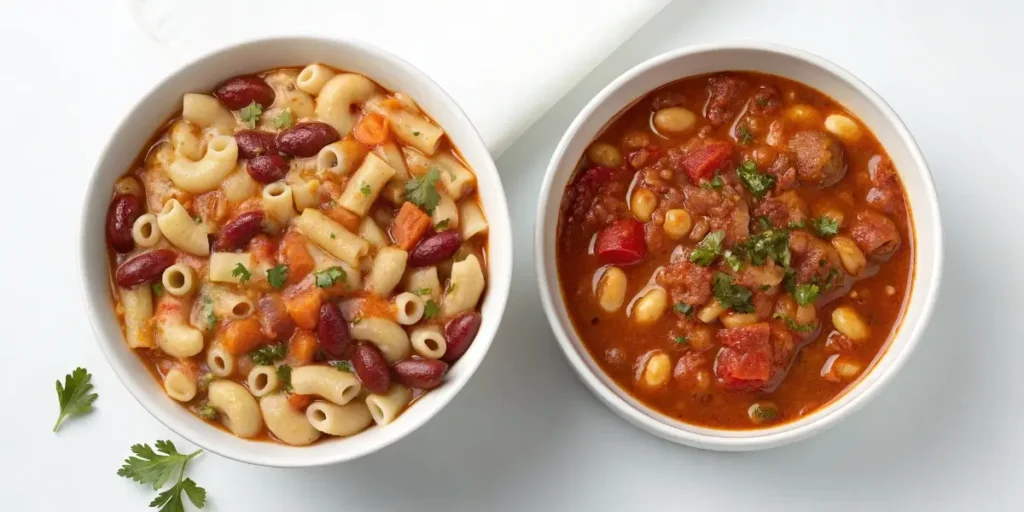
You might’ve heard people call this dish pasta fazool instead of pasta e fagioli — and both are correct! The difference comes down to regional dialects. In Southern Italy, especially in Naples, “fagioli” (beans) is pronounced “fazool,” reflecting how Italian immigrants carried their dialects to the U.S. over a century ago.
When Italian-Americans popularized the dish, the phrase pasta fazool became a beloved shorthand. The name even appeared in the old Dean Martin song, “That’s Amore” — proof that this humble soup had earned its place in Italian-American culture. Regardless of how you say it, the heart of the recipe remains the same: pasta, beans, olive oil, and love.
Don’t miss our delicious milk street recipes for more globally inspired classics rooted in tradition.
Recipe and Texture Differences Between Both Versions
While the name changes with geography, subtle variations appear in the cooking style. Authentic pasta e fagioli in Italy tends to use fewer tomatoes, resulting in a creamier, beige-toned broth where the beans shine. The Neapolitan pasta fazool version often features more tomato and garlic, creating a reddish soup with bolder, zestier flavor.
In American adaptations, you’ll often find extra vegetables like carrots or even bits of turkey sausage for added richness — but if you’re keeping it vegetarian, vegetable broth and olive oil work beautifully. The key is achieving that comforting balance of texture: soft beans, chewy pasta, and just enough broth to spoon through.
For more Italian comfort food, check out our delicious savory southern rutabagas — a great rustic side to complement your soup.
Choosing the Best Pasta Shape for Pasta e Fagioli
Traditional Pasta Types Italians Use
Choosing the right pasta can make or break your authentic pasta fagioli recipe. In Italy, small pasta shapes are the gold standard because they hold the beans and broth perfectly in each spoonful. The most common choices are ditalini, tubetti, or small elbows. These bite-sized pieces create the perfect ratio of pasta to beans, ensuring you taste both in every bite.
If you’re cooking the traditional way, slightly undercook the pasta (al dente) before combining it with the soup. This prevents mushiness and helps the pasta absorb just enough of the savory broth. Italians often cook pasta separately to control texture, then mix it into the pot right before serving — a little trick that guarantees the perfect bite every time.
For another comforting Italian staple, check out our marry me chicken pasta perfect 2025 dish — creamy, flavorful, and loved by pasta enthusiasts everywhere.
Alternative Pasta Options for Gluten-Free or Healthier Versions
If you’re avoiding gluten or want a lighter option, there are plenty of alternatives that still keep the dish authentic and delicious. Brown rice pasta, chickpea pasta, and lentil pasta are excellent choices — they hold their shape and deliver a satisfying bite. For those watching carbs, zucchini pasta (zoodles) or edamame spaghetti can add a unique twist while soaking up the flavors of the beans and broth beautifully.
Just remember, gluten-free pasta can cook faster, so monitor it closely to avoid overcooking. Once you combine it with the soup, give it a few minutes to meld with the beans and herbs before serving. It’s wholesome, hearty, and just as comforting as the original Italian version.
Looking for more pasta inspiration? Don’t miss our edamame spaghetti recipe — it’s healthy, protein-packed, and pairs perfectly with Italian flavors.
Ingredients Breakdown — What’s in Fagioli Soup
The Role of Vegetables and Broth in Authentic Recipes
At its heart, every authentic pasta fagioli recipe is built around three things: beans, pasta, and broth. But what ties them together is the trio of aromatic vegetables — onion, carrot, and celery. Known in Italy as soffritto, this mix adds sweetness and depth to the soup base. When sautéed in olive oil, these veggies release natural sugars that enhance the broth’s richness without any need for meat or alcohol.
A flavorful vegetable broth forms the backbone of this dish. If you’re looking for a homemade option, simmer carrots, celery, onions, garlic, and bay leaves for about an hour. The result is a clean, earthy broth that soaks into the beans and pasta, giving that authentic Italian flavor. Add a dash of crushed tomato or tomato paste for color and a gentle tang that brightens the whole bowl.
Learn more about flavorful Italian bases with our homemade chicken and gravy — it’s an excellent foundation for soups and stews alike.
Healthy Ingredient Swaps for a Lighter Version
If you’d like to enjoy pasta e fagioli more often, a few small swaps make it lighter without losing flavor. Replace regular pasta with whole-grain or chickpea versions for more fiber and protein. Swap out the salt for pink Himalayan salt for trace minerals and a milder taste. Use olive oil instead of butter to keep it dairy-free and heart-healthy.
For a veggie boost, toss in spinach, kale, or zucchini during the last few minutes of simmering. These greens wilt quickly and add a fresh pop of color and nutrients. The result? A wholesome, filling soup that’s just as comforting but even better for your body.
Don’t miss our pink Tibetan salt guide for more ways to season naturally and boost mineral intake.
The Secret to a Rich Broth
How to Build Umami Flavor Naturally
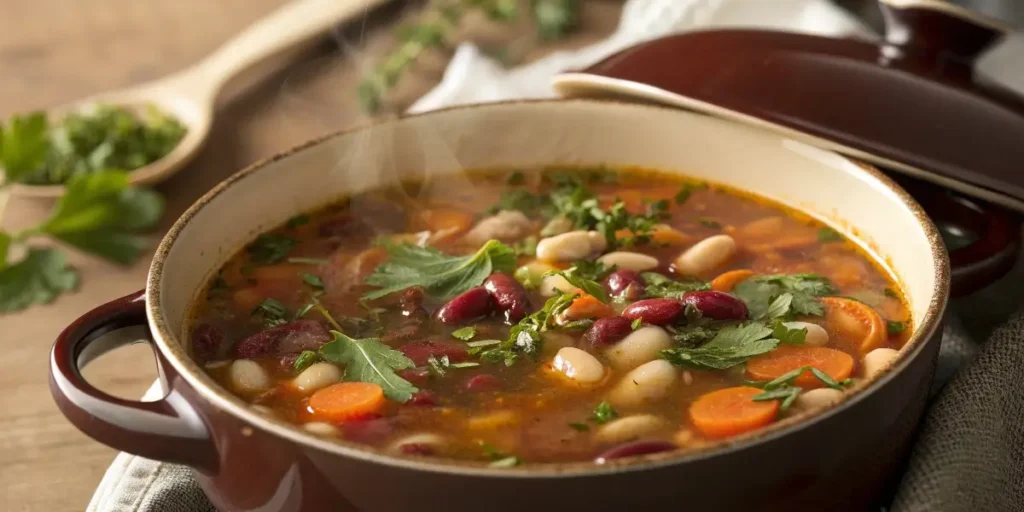
The hallmark of a great authentic pasta fagioli recipe is a broth that tastes slow-simmered, deep, and satisfying. Many traditional recipes rely on pancetta or wine, but you can achieve the same depth using all-natural, plant-based ingredients. The secret? Layers of umami.
Start with olive oil, onions, garlic, and tomato paste — sauté them slowly until caramelized. Then add mushrooms, which naturally boost the savory notes of the broth. A splash of soy sauce or tamari (for gluten-free diets) can also mimic the complexity of slow-cooked meat without altering the dish’s Italian authenticity.
To finish, stir in a spoonful of nutritional yeast — it gives a subtle cheesy richness while keeping the soup vegetarian. Together, these elements create a broth that’s bold, comforting, and rich enough to impress any Italian nonna.
Check out our vegan yum yum sauce recipe to explore more ways to add natural umami flavor to vegetarian dishes.
Vegetable and Herb Combinations for Deep, Savory Taste
Vegetables are your secret weapon for complexity. Combine carrots, celery, and onions with aromatic herbs like rosemary, thyme, and bay leaf. Let them simmer in the broth for at least 30 minutes to release their essence. The longer they cook, the deeper the flavor.
For extra depth, roast your vegetables before adding them to the pot — the caramelization enhances sweetness and richness. Finish your soup with a drizzle of good olive oil and a pinch of sea salt to round out the flavors.
This approach gives your pasta e fagioli a full-bodied, restaurant-worthy taste — entirely free from pork or alcohol. It’s wholesome, hearty, and authentic in every sense of the word.
Discover great ideas like our roasted butternut squash recipe for another naturally sweet and savory dish that brings out the best in vegetables.
Conclusion
This authentic pasta fagioli recipe proves that comfort food doesn’t need to be complicated. It’s humble yet elegant — a celebration of simple Italian ingredients working together perfectly. Whether you call it pasta e fagioli or pasta fazool, it remains one of the most comforting dishes in Italian cuisine.
Next time you crave a cozy bowl of homemade goodness, skip the meat and wine — olive oil, herbs, and patience will deliver the same rich, soul-warming flavor.
Don’t miss our pastina recipe if you’re looking for another Italian classic that captures the essence of home cooking.
FAQs
What is the secret to a flavorful pasta e fagioli?
The key lies in building flavor gradually — start with sautéed aromatics like onion, carrot, and celery, then let the beans simmer with herbs and olive oil. Use tomato paste for richness and slow cook everything to deepen the taste.
What makes Stanley Tucci’s pasta fagioli unique?
Tucci’s version stands out for its simplicity — no meat or alcohol, just fresh vegetables, beans, olive oil, and high-quality stock. His secret is patience and respect for ingredients, which makes every spoonful shine.
What is the difference between pasta fazool and fagioli?
They’re the same dish! “Fazool” is the Southern Italian-American pronunciation of fagioli. Pasta fazool tends to be more tomato-forward, while traditional pasta e fagioli uses fewer tomatoes for a creamier texture.
What pasta is used for pasta fagioli?
Small shapes like ditalini, tubetti, or elbows are most common. Their small size helps capture the beans and broth, giving each bite a perfect balance of texture and flavor.
What are the ingredients in fagioli soup?
Classic ingredients include olive oil, onion, garlic, celery, carrots, tomatoes, beans (borlotti or cannellini), small pasta, and vegetable broth. Herbs like rosemary and thyme complete the authentic Italian flavor.
What’s the secret to a rich broth?
Build layers of flavor naturally — sauté vegetables until caramelized, add tomato paste, and use mushrooms or soy sauce for umami. Simmer gently and let it rest before serving for the best depth of taste.